
All posts by IT Admin
Tips for Marathon Runners.
Tips for Marathon Runners
THere is energy in New York City this weekend. The TCS New York City Marathon will be held on Sunday 11/1/15.
With over 50,000 runners participating, below are a few tips on how to remain healthy and avoid injuries.
“Good Luck, runners!”
Shoes and Socks. Select the shoes–and the socks–you’ll wear in the marathon. The shoes should be relatively lightweight but provide good support, and the socks should be the type you wear in other races.
NYC has a lot of hills. If at all possible, start doing runs on the same topography as the marathon.
Drink and Drink Some More. Sports drinks and energy gels will fuel you during the race. Find out how often the marathon will have aid stations, and practice drinking at that rate.
Dress Comfortable. Run in real running clothes, and not a suffocating T-shirt.
Visualize success. Visualize yourself crossing the finish line as the clock shows a new personal best.
Stay Calm. Reduce the outside stresses in your life as much as possible the last week. “
Carb-load, don’t fat-load. Concentrate on eating carbohydrate-rich foods, such as pasta, potatoes, bread, fruit and fruit juice, low-fat milk and yogurt, low-fat treats, and sports drinks. It’s the carbs, after all, not fat or protein, that will fuel you on race day.
Eat breakfast. Two to three hours before the start, eat a carbohydrate-rich breakfast, even if that means getting up early and going back to bed.
Warm up. Do a little jogging beforehand, because you want to preserve their glycogen stores and keep your core body temperature down.
Start slow. Run the first two to three miles 10 to 15 seconds per mile slower than goal pace.
Drink early, drink often. Take sports drinks at the first aid station and every one after. Taking in carbohydrates and fluid early will help postpone or prevent serious dehydration later.
MOST IMPORTANT
Have Fun!!
The Truth about Turmeric.
The Truth about Turmeric.
Turmeric may be the most effective nutritional supplement in existence.
Many high quality studies show that it has major benefits for your body and brain.
“Where Can I Buy Turmeric?”
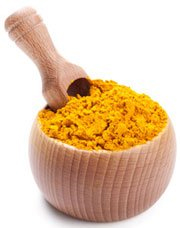
Turmeric has Powerful Medicinal Properties
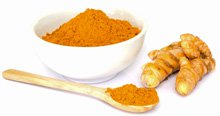
- Turmeric is the spice that gives curry its yellow color and it has been used in India for thousands of years as a spice and medicinal herb.
- Recently, science has started to back up what the Indians have known for a long time… it really does contain compounds with medicinal properties
- These compounds are called curcuminoids, the most important of which is curcumin.
- Curcumin is the main active ingredient in turmeric. It has powerful anti-inflammatory effects and is a very strong antioxidant.
- However, the curcumin content of turmeric is not that high… it’s around 3%, by weight
- Most of the studies on this herb are using turmeric extracts that contain mostly curcumin itself, with dosages usually exceeding 1 gram per day.
- It would be very difficult to reach these levels just using the turmeric spice in your foods.
Bottom Line: Turmeric contains curcumin, a substance with powerful anti-inflammatory and antioxidant properties. Most studies used turmeric extracts that are standardized to include large amounts of curcumin.
Curcumin is a Natural Anti-Inflammatory Compound
- Inflammation is incredibly important as it helps the body fight foreign invaders and also has a role in repairing damage.
- It is now believed that chronic, low-level inflammation plays a major role in almost every chronic, Western disease.
- This includes heart disease, cancer, metabolic syndrome, Alzheimer’s and various degenerative conditions
- It turns out that curcumin is strongly anti-inflammatory, it is so powerful that it matches the effectiveness of some anti-inflammatory drugs
- Curcumin actually targets multiple steps in the inflammatory pathway, at the molecular level.
Bottom Line: Chronic inflammation is known to be a contributor to many common Western diseases. Curcumin can inhibit many molecules known to play major roles in inflammation.
Turmeric Increases The Antioxidant Capacity of The Body
- Oxidative damage is believed to be one of the mechanisms behind ageing and many diseases.
- It involves free radicals, highly reactive molecules with unpaired electrons.
- Curcumin happens to be a potent antioxidant that can neutralize free radicals due to its chemical structure
- But curcumin also boosts the activity of the body’s own antioxidant enzymes
Bottom Line: Curcumin has powerful antioxidant effects. It neutralizes free radicals on its own, then stimulates the body’s own antioxidant enzymes.
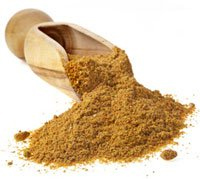
The Various Health Benefits of Turmeric
- Heart Disease
- Curcumin has beneficial effects on several factors known to play a role in heart disease.
- It improves the function of the endothelium and is a potent anti-inflammatory agent and antioxidant.
- Cancer
- Cancer is a terrible disease, characterized by uncontrolled growth of cells.
- Curcumin leads to several changes on the molecular level that may help prevent and perhaps even treat cancer.
- Alzheimer’s Disease
- Alzheimer’s disease is the most common neurodegenerative disease in the world and a leading cause of dementia
- But one key feature of Alzheimer’s disease is a buildup of protein tangles called Amyloid plaques. Studies show that curcumin can help clear these plaques
- Whether curcumin can really slow down or even reverse the progression of Alzheimer’s disease needs to be studied properly.
- Arthritis
- There are several different types, but most involve some sort of inflammation in the joints.
- Given that curcumin is a potent anti-inflammatory, it makes sense that it could help with arthritis.
- In a study of patients with rheumatoid arthritis, curcumin was even more effective than an anti-inflammatory drug
- Depression
- Depression is also linked to reduced levels of brain-derived neurotrophic factor and a shrinking hippocampus, a brain area with a role in learning and memory.
- Curcumin boosts BNDF levels, potentially reversing some of these changes
- Age-Related Chronic Diseases
- Curcumin has become very popular as an anti-aging supplement
- But given that oxidation and inflammation are believed to play a role in ageing, curcumin may have effects that go way beyond just prevention of disease
a
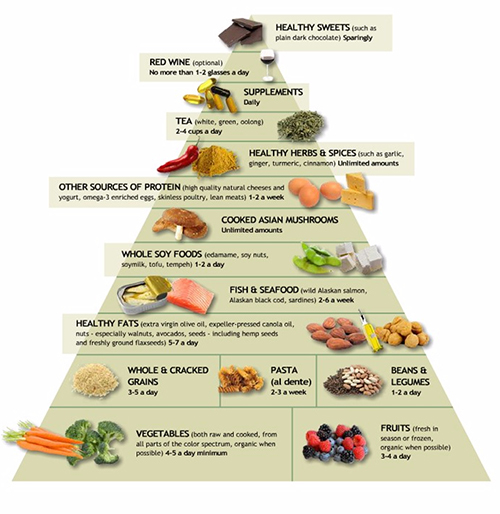
Anti-Inflammatory Diet.
Anti-Inflammatory Diet
The Anti-Inflammatory Diet is not a diet in the popular sense – it is not intended as a weight-loss program (although people can and do lose weight on it), nor is it an eating plan to stay on for a limited period of time.
Chronic inflammation is becoming known as the root cause of many serious illnesses including heart disease, many cancers, and Alzheimer’s disease. When inflammation persists or serves no purpose, it can damage the body and cause illness. Stress, lack of exercise, genetic predisposition, and exposure to toxins (like secondhand tobacco smoke) can all contribute to such chronic inflammation, but dietary choices play a big role as well.
Learning how specific foods influence the inflammatory process is the best strategy for containing it and reducing long-term disease risks.
Tips for Dieting:
- Make sure you eat a variety of foods
- Include as much fresh food as possible and minimize your consumption of processed foods
- JUST SAY NO to fast food
Caloric Intake
- Most adults need to consume between 2,000 and 3,000 calories a day.
- Women and smaller/less active people need fewer calories
- If you are eating the appropriate number of calories for your level of activity, your weight should not fluctuate greatly.
- The distribution of calories
- 40 to 50 percent from carbohydrates
- 30 percent from fat
- 20 to 30 percent from protein
- Try to include carbohydrates, fat, and protein at each meal.
Carbohydrates
- The majority of this should be in the form of less-refined, less-processed foods with a low glycemic load.
- Reduce your consumption of foods made with sugar, especially bread and most packaged snack foods (including chips and pretzels).
- Eat more whole grains such as brown rice and wheat
- Avoid products made with high fructose corn syrup
Fat
- Reduce your intake of saturated fat. These are contained in
- butter
- cream
- high-fat cheese
- unskinned chicken
- Use extra-virgin olive oil as a main cooking oil.
- For omega-3 fatty acids, eat:
- salmon, herring, and black cod
- omega-3 fortified eggs
- hemp seeds and flaxseeds
Protein
- Decrease your consumption of animal protein except for fish and high quality natural cheese and yogurt.
- Eat more vegetable protein, especially from beans in general and soybeans in particular.
- Become familiar with the range of whole-soy foods available and find ones you like.
Fiber
- Try to eat 40 grams of fiber a day.
- Fruit, especially berries
- vegetables (especially beans)
- whole grains
Vitamins and Minerals
In addition, consider supplementing your diet with the following antioxidant cocktail:
- Vitamin C, 200 milligrams a day.
- Vitamin E, 400 IU of natural mixed tocopherols
- Selenium, 200 micrograms of an organic (yeast-bound) form.
- Mixed carotenoids, 10,000-15,000 IU daily.
- Women should take supplemental calcium, preferably as calcium citrate, 500-700 milligrams a day, depending on their dietary intake of this mineral
Water
- Drink pure water, or drinks that are mostly water (tea, very diluted fruit juice, sparkling water with lemon) throughout the day.
Workout While You Travel.
When you’re traveling for work, you can stick to your fitness routine. Use these simple travel workout tips to maintain your fitness program.
If work keeps you frequently away from home, you know how challenging it can be to maintain your fitness program. Travel time and meetings might leave little room in your schedule for a workout — but keeping fit doesn’t have to be a lost cause. A little dedication and planning can help you stay in shape when you’re traveling. Consider these travel workout tips.
Workout While You Travel
Pack for fitness
Before your trip, research the hotel or nearby fitness facilities and pack accordingly. Your travel workout essentials might include:
- Athletic shoes
- Exercise clothing
- Swimsuit
- Tennis racket
- Hand grips
- Music and headphones
Work out as you go
Wear your walking shoes when you travel. If you’re traveling by plane, stroll through the airport terminal. When traveling by train walk through the cars occasionally. Walk outdoors when the train stops to let passengers on and off. If you’re driving, take frequent breaks to get out and stretch.
Get started
When you arrive at your destination, set the tone for your trip by working out right away. If that’s not possible, schedule a time for your next workout and treat it as an important appointment.
Take Advantage of Hotel Resources
Use the hotel fitness room. Many hotels offer weight machines, treadmills, stationary bicycles, and fitness mats for stretching or exercising.
Swim in the hotel pool. Swimming can be excellent exercise, and even a short amount of time using the resistance of the water will help burn calories and work multiple muscle groups.
Walk the halls of the hotel. Simply taking a walk, power walking, jogging, or climbing stairs in a hotel can offer plenty of opportunity for safe and effective exercise.
Rent a bike, pedal boat, or golf clubs. Many hotels and resorts offer activities at a fee that can allow you to fit in a workout while you explore the area. Riding a bike, pedaling around a pond or lake, or walking with your clubs on a golf course can burn hundreds of calories and add make your workout seem like less of an inconvenience when you travel.
Alter Your Workout Routine
If your hotel at which you are staying does not include workout facilities, take the opportunity to try something new that does not require any special tools.
Try new exercises.
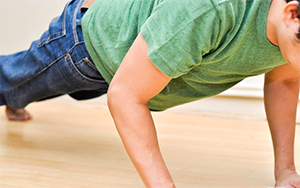
Exercise in the comfort of your room. Many effective workouts can be performed without equipment or special facilities.
- Use your body to create resistance. Do push-ups, sit-ups, lunges, strength training, jumping jacks, jogging in place, and other basic moves to work your muscle groups, stretch, and get your heartbeat up.

Try yoga, Pilates, or other Workout DVD.
- Lay a towel on the floor of the hotel room and use it as a mat for yoga stretches such as downward dog, sun salutations, and other poses that will help relieve the tension from traveling while working your muscles and toning your core.
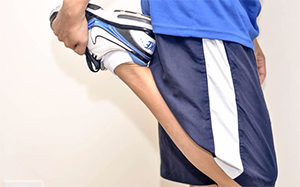
Make up your own routine.
- Alternate stair climbing with lunges down the hallways, perform bicep curls with water bottles, or substitute a towel or article of clothing for a resistance band. Then try doing chair lifts, scissor kicks, and even jumping on the bed to get your heart rate up and your routine full of variety and fun.
Pack Lightweight Exercise Equipment
If you are able to plan your workouts in advance of travel, try packing equipment or exercise tools that will fit in your suitcase without adding excessive weight or bulk.
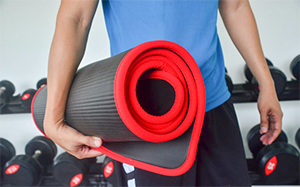
Roll up a small foam yoga mat. Foam mats not only roll into less space than firmer or thicker mats, but they are often also very affordable and weigh substantially less than traditional yoga mats.
- If you enjoy yoga when traveling, hemp bands and lightweight foam blocks are also easy to fit in a suitcase without adding much weight.
Work out While Traveling Step 10
Pack hand-held weights. Light hand weights or ankle weights are compact and can fit into most suitcases with ease.
- To spare yourself the strain of an overly heavy bag, refrain from packing more than one set or packing any weights over 5 pounds each.
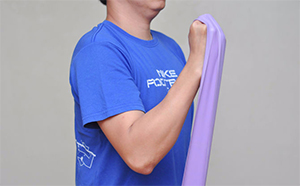
Invest in resistance bands. Rubber or cloth resistance bands offer a very wide range of exercise options with virtually no added bulk or weight to your suitcase.
Take Your Workout to the Streets
Working out while traveling can offer excellent opportunities for meeting new people and trying new fitness routines. In addition, combining your workout with exploration or errands can help make fitting in a workout while traveling a simple task.

Go dancing. Traveling can be an excellent excuse to try salsa, tango, swing, the waltz, or even hip-hop dancing. Head to a club to get your workout while socializing or pick a restaurant that offers a dance floor and live music to burn calories and have fun at the same time.
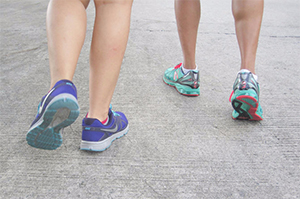
Find a jogging path, park, or popular street. Just by packing your running shoes you can combine sightseeing with working out. Jog through the parks, along picturesque waterways, or up and down past shops and restaurants to get your workout done, while exploring the city or even picking out where to go for dinner.

Sign up for an exercise class. Traveling can offer plenty of opportunities to try a local zumba, belly dancing, boot camp, yoga, or other specialty class at a workout studio, supporting local businesses and helping you fit your workout into your travel schedule.
Exercise Myths for Women.
Exercising these days can be very tough, especially when you aren’t seeing the results you would like. Many people are killing themselves at the gym and in various classes or engaging in very restrictive and sometimes unhealthy diets.
Many women believe that lifting heavy weights:
– makes them bulky
– is dangerous
– is bad for your joints
And
– “Once you have muscle, you can’t stop lifting or it will all turn to fat.”
These are not true, and it feeds into stereotypes that are keeping too many women from experiencing the profound benefits of resistance training.
Here are some common fitness mistakes.
Exercise Myths for Women
Not lifting weights
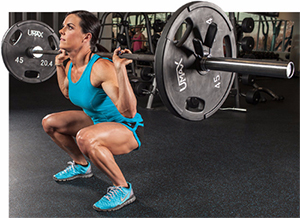
- Women are scared that lifting weights will make them bulky
- However if you want to burn fat at your most efficient levels, then having muscles will make your body do that.
- You do not get bulky from lifting weights. D
- Best thing about having lean muscle is that it burns more calories too, which means you can actually eat more food.
Not eating enough
- Depriving yourself from vital nutrients and minerals doesn’t work. Your body needs these to function properly
- Eating healthy nutritious food provides the necessary energy for your workout
- Starving yourself will leave you worn out, tired and sick
- Healthy living a lifestyle… not a crash diet.

Not resting
- Incorporating rest days into your exercise routine is critical
- In order for your body to heal and regenerate, rest after strenuous exercise is important
- During sleep,your body will heal and muscles will grow stronger.
- Recuperation is key. Although everyone is different, the recommended amount of rest is 7 – 8 hours a night

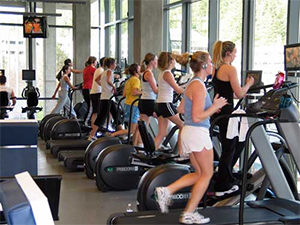
Long hours of cardio
- The key to burning fat and getting lean is to build muscle
- To achieve this, you must add resistance training to your cardio routine
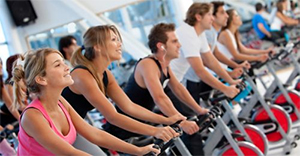
- Running for an hour on the treadmill or only going to spin class isn’t going to give you the results you want
- Previously I talked about “High Intensity Interval Training”.
- HIIT are short and intense workouts where you perform one exercise after another with little or no rest in between.
- Cardio has health benefits, still like to use cardio, and I’m not writing it off completely but don’t just use it as your single form of exercise.
Change up the Routine
- Your body will get accustomed to the same routine and results will often plateau
- Every 4-5 days, as your body adapts, it is important to change the type or intensity of the workout
- This will allow you to increase the complexity of your workouts and challenge yourself
- Not to mention…it’s boring to do the same thing everyday!

Exercises for Each Decade.
When it comes to staying healthy and fit, there is no magic pill or potion. Every medication has its therapeutic dosing. And this is no different for exercise. You may not be able to exercise when you’re 65 the way you did when you were 20. Below is a basic guide of what to focus on in terms of exercise for each decade of your life.
Exercises for the Decades
The 20s
“Young and the Restless”
- Your body is so strong that you tend to abuse it
- Don’t get caught up in fad diets and trendy workouts
- Stick to the basics:
- Cardio, weight training and flexibility
- Weight training
- If you can do 12 repetitions, it’s too light…go heavier
- Cardio
- 150 minutes a week of moderate intensity
- Rx: 30 minutes of weight training followed by 30 minutes of cardio 3x a week, plus 45 to 60 minutes of straight cardio 3x a week. One day of rest.
- Tips:
- Push yourself to maximum performance
The 30s
“No Time and Always Tired”
- You don’t have much time so quality workouts are more important that quantity
- Difficult to balance, work, family…but don’t forget about YOU.
- Basal metabolic rate just dropped 2% from your 20s
- This means you need less calories to sustain yourself
- Weight doesn’t come off quite as easy
- Focus on total body exercises and circuit training
- Switch it up between heavy weights/low reps AND low weight/many reps
- One day of rest each week is critical
*Women*
- Pilates can be very effective post-partum to re-tighten and elongate the core and abs.

The 40s
“Where Are my Muscles”
- Gravity is always going to win
- Don’t have a mid-life body crisis
- Don’t starve yourself to get your abs back, work on strength training
- Workout your whole body 4 days/week for 30 minutes
- One day of rest is important
- Bent knee Pushups
- Squats or Stairs
- Planks
*Women*
- At this age, it is much easier to gain fat in the belly, arms and below the bra.
- Another decline in metabolism and change in body composition
- You need to make modifications to your eating habits and exercise plan to maintain a healthy weight

The 50s
“Get off the couch and get focused”
- Exercise at an intensity that lets you say a few words, but not chat
- Focus on higher reps and lower weight 12-15 reps
- Always stretch afterward.
- Years of computer/desk work will lead to the classes shoulder slump
- You MUST do resistance and weight training
- You can target your whole body in 15 minutes with some dumbbells you may have lying around
- Yoga, Tai Chi are important for balance
- The only way is slowly but surely.
- Start with half an hour twice a week.
- Then, as you increase in fitness and confidence, increase to three times a week.

The 60s
“No Pain, No Gain”
- Problems like arthritis, bad knees, and spinal stenosis become common.
- Walk whenever possible, and do daily balance exercises.
- 3 days a week of gentle cardio, weights and sustained stretching
- Lack of strength, while MAY BE a function of aging, is more likely due to LACK OF USE
- Jogging in a pool, swimming, or riding a stationary bicycle
- Resistance training is still important
- Stretching and balance are absolute musts

70s and Beyond
“Take Action. Your life depends on it!”
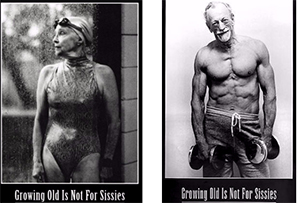
- Strength-building exercises are essential for people in their 70s and beyond
- Resistance training does not aggravate the joints as much
- Don’t exercise outside your comfort zone
- Annual check-ups with your doctor are important
- Be SMART about your fitness goals
- S- Specific
- M- Measurable
- A- Attainable
- R- Realistic
- T- Timely
Celebrate your successes– little ones and big ones
Treatments for Knee Arthritis.
You probably found this page because one of our subscribers used MailChimp to send you an email campaign, and you traced a link in the email back here to investigate. MailChimp is an email-marketing service that serves more than 12 million companies of all shapes and sizes, from all over the world. We send more than 1 billion emails every day, and we help our customers comply with spam laws and best practices so they can get their campaigns into their subscribers’ inboxes.
Supplements 101.
Supplements 101.
“Supplements can enhance a diet where there are shortfalls, but a handful of vitamin, mineral or other dietary supplements can never take the place of a healthy diet”
– American Dietetic Association (ADA)

Visiting your health food store can be overwhelming
- Before starting any supplements regimen, it’s best to consult a doctor or dietitian.
- If you eat fruits, vegetables, fish, lean meats and dairy products, you most likely do not need to take nutritional supplements
Nutritional supplements may be helpful if
- you don’t eat a balanced diet
- you are a vegetarian or vegan
- you are a woman who is pregnant or may become pregnant
- you are an adult over the age of 50
Which vitamins matter?
- There are 13 essential vitamins that your body cannot make in sufficient amounts on its own
- The way to get them is through food or supplements or in combination.
Vitamin A
- Helps vision, immunity and red blood cell development.
- How Much Do I Need:
- 5000 IU (International Units)
- Sources:
- Carrots and leafy green vegetables
Vitamin D
- Helps our bodies absorb calcium and keeping our bones healthy.
- How Much Do I Need:
- 400IU (International Units)
- Sources:
- Cereals, dairy products and fatty fish like salmon
Vitamin E
- Protector of cells and a powerful antioxidant
- How Much Do I Need:
- 30 IU (International Units)
- Sources:
- nuts, seeds, leafy greens (Avocado)
Vitamin K
- Helps clot blood and avoid excessive bleeding
- How Much Do I Need:
- 80 ug (micrograms)
- Sources:
- Greens, such as broccoli, brussels sprouts, asparagus, spinach
Vitamin C
- Growth and repair of body tissues, and is thought to help fight the common cold
- How Much Do I Need:
- 60 mg (milligrams)
- Sources:
- Most citrus fruits and vegetables
B Vitamins
- How Much Do I Need:
- B6- 2 mg
- B12- 6 micrograms
- Sources
- Poultry, fish, meat, eggs and dairy are key sources of B vitamins
- Vegetarians and vegans may consider supplementing
Calcium
- Often lacking in American diets
- How Much Do I Need:
- 1000 mg (milligrams)
- Sources:
- Dairy products, fortified foods, dark leafy greens, soybeans, beans, fish, and raisins.
Fish Oils
- Studies show that omega-3 fatty acids are cardio-protective and the basis for the American Heart Association recommendation to consume fatty fish twice weekly
- Sources
- Foods such as canola oil, soybeans, flax, walnuts and algae are all sources of omega-3s, but they are not a substitute for fatty fish.
Glucosamine and Chondroitin
- These supplements are often taken by people with joint pain.
- In a study published in the The New England Journal of Medicine, these supplements, taken alone or in combination, were not found to provide significant relief from osteoarthritis knee pain.
- About 40% of osteoarthritis patients may benefit from taking 1,500 mg of glucosamine and 1,200 mg chondroitin sulphate a day (for) four to eight weeks
What are the Risks?
- With anything you ingest, there can be risks associated.
- An overdose of vitamins A, D, E or K can even be life-threatening
- Water-soluble vitamins, such as B-complex vitamins and vitamin C, are less dangerous because they dissolve in water
The Story of Curcumin
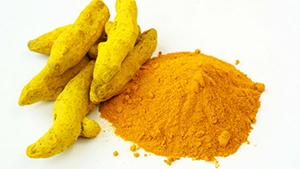
- Curcuminoids are powerful antioxidants and anti-inflammatories used in India for generations.
- Many Indian foods contain turmeric, of which curcumin is the main active ingredient.
- However, the curcumin content in turmeric is only about 3%
- Many chronic diseases in the USA are considered to be caused by low-level inflammation
- Coronary artery disease
- Cancer
- Obesity
- Various degenerative conditions (arthritis)
Curcuminoids are known to exist in:
- Turmeric (Curcuma longa or JiangHuang)
- Common Ginger (Zingiber officinale) and shampoo ginger (Zingiber zerumbet)
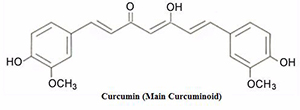
How it Works?
- Curcumin blocks NF-kB, a molecule that travels into the nuclei of cells and turns on genes related to inflammation.
- NF-kB is believed to play a major role in many chronic diseases
- Boosts the body’s own anti-oxidant pathways.
- Increase brain function by increase brain derived neurotrophic factor (BDNF)
- Effective in women to prevent heart disease
Arthritis
- Arthritis is a common disorder characterized by joint inflammation.
- Many studies show that curcumin can help treat symptoms of arthritis and is in some cases more effective than anti-inflammatories
Warning
- Curcumin may slow blood clotting, so patient taking anti-coagulants should be cautious
Dr. Singh’s Current Studies on Curcumin
- The comparative effectiveness of Curcumin vs NSAIDs for the treatment of hip and knee osteoarthritis
- Comparing topical NSAID to Curcumin in the treatment of shoulder and elbow tendonitis
Bottom Line
- Supplements are not intended as food substitutes
- If you eat a fairly well-balanced diet, chances are that taking dietary supplements may not be worth the added effort or expense.
- Curcumin Dosing
- 500-1500mg daily is sufficient to produce a therapeutic benefit and avoid toxicity
Health and Wellness Topics (Corrected Hyperlink).
Tell us what you think!
Dr. Singh would like to know what you, the readers, would like to learn more about.
Please fill in your requests on the form below and stand by for upcoming newsletter topics!
The Truth about Protein.

What Are Protein Powders?
The three common ones are whey, soy, and casein protein.
- Whey
- the most commonly used, a complete protein (contain all 9 essential amino acids)
- Soy
- It’s possible to build complete protein from plant-based foods by combining legumes, nuts, and grains
- But you’ll need to consume 20 to 25 percent more plant-based protein to reap the benefits that animal-derived sources provide
- Casein
- Another milk protein
- Slower-absorbing but more sustained source of amino acids
- A great choice for a snack before you hit the sack.

Sources of Protein
- 4-ounce hamburger contains 30 grams of protein
- 6 ounces of tuna has 40 grams
- A single ounce of cheddar cheese has 7 grams
- Nuts and Bean, dairy products, eggs, meat, and fish
Protein Timing
- Myth
- “Take protein powders immediately after a workout”
- Reality
- Before, during, and after a workout, carbs are what your body needs
- This is fuel for the body
- Research shows that following a workout, the body needs fuel with a 4-1 or 5-1 ratio of carbs to protein
Bottom Line
- Protein powders are not really necessary if you have access to a normal, healthy diet
- if you’re struggling with your weight, fat itself is not the culprit; carbs are the likely problem.
Disclaimer:
Please consult with you doctor before engaging in any new rigorous workout programs