
All posts by IT Admin
Preventing Golf Injuries
A lot of golfers are playing hurt which doesn’t necessarily mean broken-bones, but more commonly, tendinitis, sore muscles and arthritis. Almost 2/3 of amateur golfers will sustain a golf injury and this is typically due to poor swing mechanics, being out of shape or most likely, they don’t adequately warm up.
Golf stretches can help prepare for your round and promote a fluid golf swing, which can improve your performance.
Remember: Keep stretching gentle. Don’t bounce. If you feel pain, you’ve stretched too far.
Quadriceps
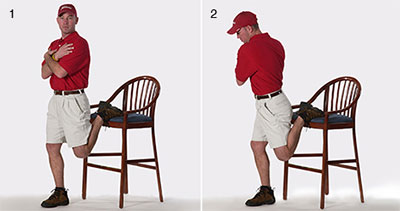
- Stand with your back to a chair or bench and cross your arms over your chest. Place your left foot on the chair or bench (image 1). You can use a chair with a lower seat than the one shown here.
- Keep your left knee even with or behind your right knee. Tighten your left buttock muscles. You’ll feel a stretch in the front of your left thigh.
- To mimic your backswing, rotate your shoulders and torso to the right and bend your left shoulder and trunk slightly toward the ground (image 2).
- Repeat the stretch on the opposite side.
Lower Back
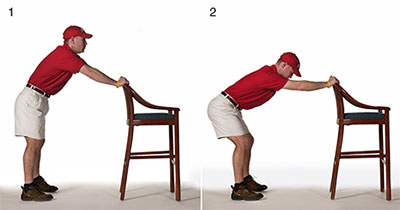
- Stand with your feet apart, facing the back of a chair.
- Grasp the back of the chair with your hands (image 1).
- Holding on to the chair and keeping your spine straight, move your body down and away from your hands until you feel a stretch near both armpits (image 2).
Hamstrings
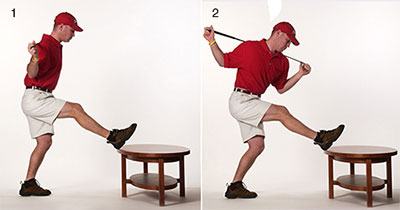
- Hold your golf club behind your shoulders. Stand next to a step, low table or tee bench. Put your right foot on the step and bend your right knee slightly (image 1).
- Bend your upper body forward at your hips, keeping your spine straight until you feel a comfortable stretch in the back of your right thigh.
- Maintain this stretch while rotating your back and shoulders to the left and to the right (image 2).
- Repeat the stretch on the opposite side.
Hips
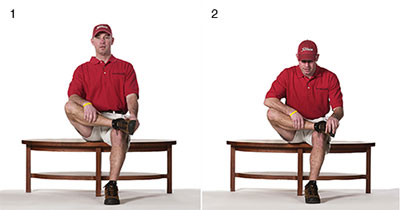
- Sit on a chair, low table or tee bench. Place your right ankle on top of your left thigh (image 1).
- Push down on your right knee with your right forearm. Then lean forward at your waist until you feel a gentle stretch in your right hip (image 2).
- Repeat the stretch on the opposite side.
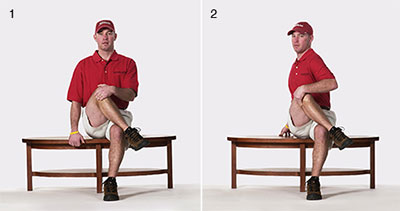
- Sit on a chair, low table or tee bench. Place your right ankle on top of your left thigh. Raise your right knee and grasp it with your left hand (image 1).
- Keeping your spine straight, pull your right knee up toward your left shoulder. You’ll feel a stretch in your right buttock.
- Mimic the position of your right hip when you’re at the top of your backswing by turning your shoulders to the right (image 2).
- Repeat the stretch on the opposite side.
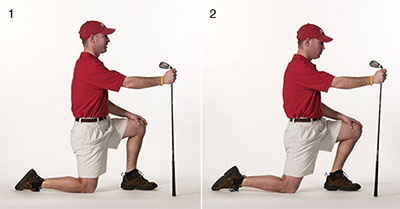
- Kneel on your right knee, holding your golf club with your right hand. Place your left foot in front of you, bending your knee. Place your left hand on your left leg for stability (image 1).
- Keep your back straight and abdominal muscles tight. Lean forward, shifting more weight onto your left leg (image 2). You’ll feel a stretch in the front of your right hip and thigh.
- Repeat the stretch on the opposite side.
Wrists
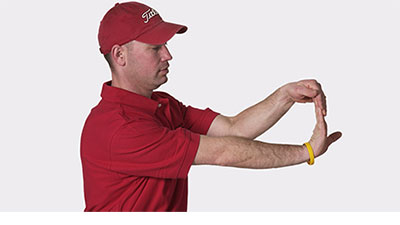
- Hold your right arm in front of you with your palm facing down.
- Keeping your elbow straight, gently pull your wrist up by grabbing the top of your fingers.
- Repeat the stretch on the opposite side.
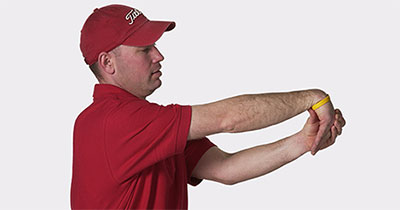
- Hold your right arm in front of you with your palm facing down.
- Keeping your elbow straight, gently pull your wrist down. You’ll feel the stretch in your right forearm and wrist.
- Repeat the stretch on the opposite side.
Shoulder
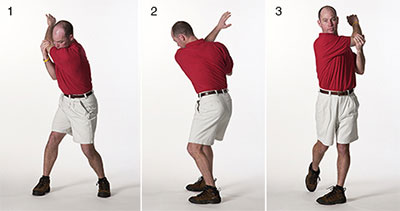
- Stand with your feet shoulder-width apart as though you’re addressing the golf ball. Hold your left elbow with your right hand (image 1).
- Keeping your left thumb pointed up, bend your left wrist toward your left thumb.
- Rotate your trunk to the right.
- Pull on your left elbow until you feel a stretch in your back (image 2).
- To stretch the trailing (right) shoulder, grab your right elbow with your left hand. Then rotate your trunk to the left (image 3).
Core
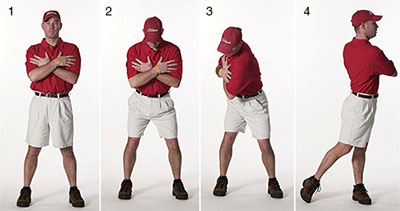
- Stand with your feet shoulder-width apart, and fold your arms across your chest (image 1).
- Bend your knees and lean forward slightly (image 2).
- Rotate your trunk in your backswing motion (image 3).
- Continue from the top of your backswing position to your follow-through (image 4).
- At home, you may want to try this stretch in front of a mirror to check the different positions of your swing.
Other Tips to Prevent Golf Injuries
- Warm up
- Before you practice your swing or play a round of golf, warm up for at least 10 minutes with a brisk walk or a set of jumping jacks.
- Focus on flexibility
- Regular stretching can improve your range of motion and lead to a more fluid golf swing.
- Strengthen your muscles
- You don’t need bulging muscles to hit a long drive — but the stronger your muscles, the greater your club speed. Stronger muscles are also less prone to injury.
- Build up your endurance
- Regular aerobic activity can give you staying power on the course. Try walking, jogging, bicycling or swimming.
- Choose proper footwear
- Dress for comfort and protection from the elements. Wear golf shoes with short cleats. Long cleats dig into the sod and hold your feet planted as you swing, which may strain your knees or ankles.
Bottom Line
- Overuse and poor swing mechanics can take a toll on the golfer.
- Taking lessons with a golf pro will not only help your game, but also greatly reduce your risk of injury.
- Also, take the time to warm up, start slowly and hit the gym to strengthen the muscles.
Images courtesy of Mayo Foundation for Medical Education and Research
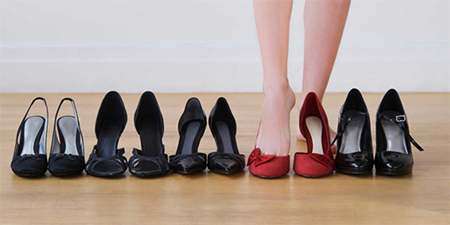
What Happens To Your Body When You Wear Heels?
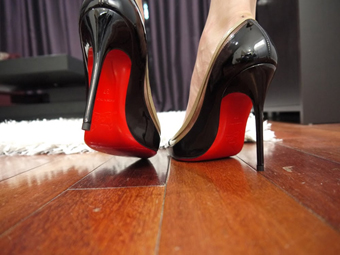
- High-heeled shoes increase the pressure on the knees by 26%
- This may lead with osteoarthritis
- The calf muscle can become permanently tightened
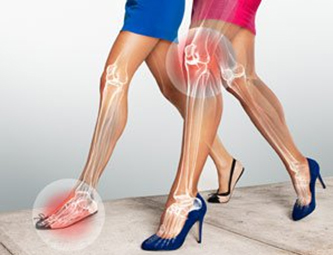
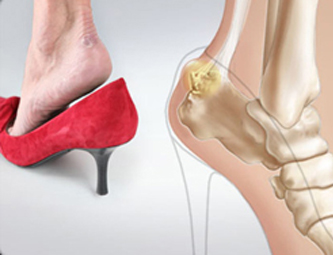
Pump Bump
- The “pump bump” also known as Haglund’s deformity can appear
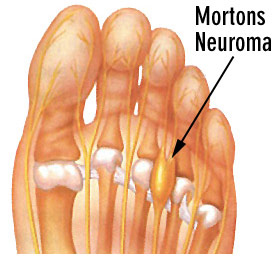
Morton’s Neuroma
- Tight fitting shoes can contribute to Morton’s Neuroma (thickening of nerves that can cause sharp pain and numbness)
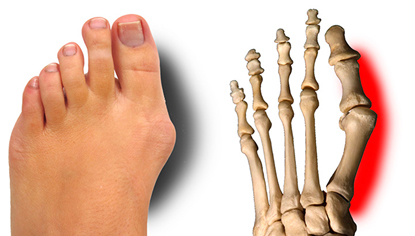
Bunions
- A bunion (hallux valgus) can form at the base of your Big Toe, causing pain and deformity
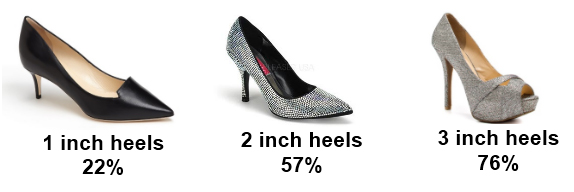
Does The Heel Height Make a Difference?
- The higher the heels, the more pressure and weight are put on the ball of the foot. This may cause pain while walking.
Want to Soak your Feet?
Try this soak bath to soften your feet…
- Sea salt helps to relax the muscles of the feet
- St. John’s wort helped to heal small wounds
- Linden improves blood flow
- Menthol essential oils can reduce swelling
- Milk can soften the skin
How to Minimize the Negative Effects of Wearing Heels
- Wear pumps only 2-3 times a week, alternating with flats
- Every 2-3 hours, take off your shoes to massage your feet
- If you HAVE to wear heels every day, choose one no more than 2 inches
Bottom Line
If you are on your Feet All Day…Do These Exercises
- Roll your feet on a tennis ball
- Use your toes to scrunch a napkin or tissue on the floor
- Stretch your Achilles tendon using a towel
- Squat without lifting your heels off the ground
- Rise up on your toes…calf raises
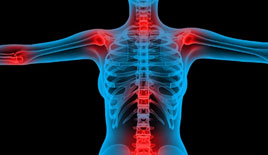
Does Weather Affect Joint Pain?
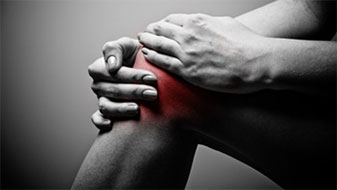
How the weather can affect joint pain, and what to do about it.
How do our bodies know when a storm could be looming? Many patients say they “feel it in their bones”, but is it just an old wives’ tale?
Can joint pain actually predict weather changes? Believe it or not, your weather forecasting might have some validity, thanks to the effects of barometric pressure changes on your body.
How Might Weather Cause Pain?
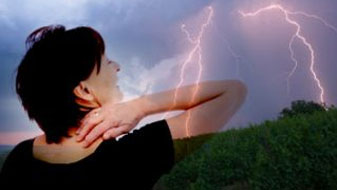
- It’s typical for joint pain to start even before the first raindrops fall
- One leading theory points to changes in air pressure
- Although many people say that their pain worsens with damp and rainy weather, the thing that affects people most is barometric pressure
What is Barometric Pressure?
- It is the weight of the atmosphere that surrounds us
- High barometric pressure pushes against the body from the outside and keeps tissues from expanding
- Low barometric pressure pushes less against the body, allowing tissues to expand — and those expanded tissues can put pressure on the joint
Furthermore, when people have chronic pain, sometimes nerves can become more sensitized because of injury, inflammation, scarring, or adhesions.
What about altitude?
- At higher altitudes, there’s less barometric pressure and our bodies react similarly
- When there’s less pressure, we expand and even though plane cabins are pressurized, our feet often swell during a flight
Treatment Options and Comfort Measures
- Stay warm. Dressing in layers, keeping your home heated, and warming up the car before you get in can help ease pain related to cold weather. Heat lets muscles relax, so it’s a soothing way of helping with pain.
- Try to prevent swelling. Warmth helps with joint pain, but not necessarily swelling. Try wearing Spandex gloves at night to try to keep fluid out of the joints or compression stockings to help with foot and knee pain.
- Keep moving. . Before you go outside during cold weather, try to exercise your painful joints to loosen up stiffness.
- Improve your mood. People in chronic pain often feel anxious, depressed, and irritable. Learn how to pace yourself, and figure out how to improve your sleep.
- Realize that the pain is temporary. When weather-related pain strikes, remember it isn’t a permanent change. It’s short-lived.
The great debate over White meat and Dark meat
The great debate over white meat and dark meat has been going on for as long as nutritionists can remember. Some people don’t like dark meat, while others extol its virtues and eat nothing else.
But what is the difference between white meat and dark meat?
What is Dark Meat?
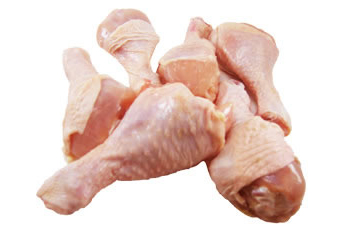
- Dark meats simply have more myoglobin proteins, responsible for giving dark meat its reddish color.
- The more myoglobin, the darker the meat and the richer the nutrients.
- Myoglobin provides muscles with the oxygen they need during exercise or movement.
- Chickens and turkeys (being flightless birds) generally have dark colored drumsticks and thighs because they walk around a lot.
What is White Meat?
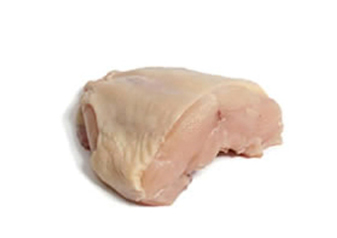
- White meat is made up of muscle fibers designed for fast-twitch and quick bursts of energy.
- It tends to contain very little myoglobin (which is what makes it lighter) and contain large amounts of protein.
- Breast and wing meat are white meat.
Dark Meat is NOT All Bad For You
Take a look at the nutrition.
- Most dark meats tend to contain more zinc, riboflavin, niacin, thiamin, vitamins B6 and B12, amino acids, iron than white meat.
- Dark beef meat contains about 11 times more zinc than tuna, and about 3 times as much iron than raw spinach.
- Chicken and Turkey dark meat contain vitamins A, K, B6, B12, niacin, folate, pantothenic acid, and minerals as selenium, phosphorus and zinc.
It is the higher levels of saturated fat that have given dark meat a bad name.
Calories in Dark Meat vs White Meat
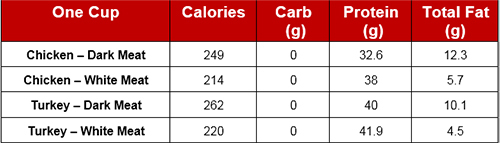
Summary
- Light meat chicken is lower in calories and fat than dark meat chicken, but it is also higher in protein.
- Dark meat, however is more nutritious in vitamins and minerals and not so saturated in fat.
- By removing the skin of poultry, the amount total and saturated fat decreases
Any way you slice it, chicken can be good for you so go ahead and add a little dark meat to your plate!
4 Core Exercises That Are Better Than Regular Planks
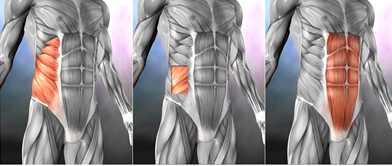
Everyone knows how much I LOVE planks!
Planks are great, but most people tend to just dangle in them and remain static, which does not optimize the results. Even when performed correctly, static planks only work one section of your core muscles.
Don’t get me wrong, in order to perform the below listed exercises, you MUST master the plank.
However, to most effectively strengthen your core, you have to work all of your core muscles:
- Rectus Abdominus
- Internal and External Obliques
- Transversus Abdominis
- Glut Muscles
- Lumbar Parapsinals
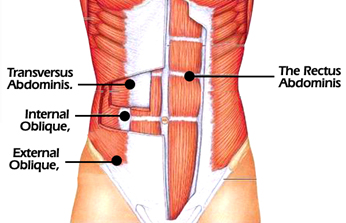
Here are four exercises better than regular planks:
1.Rowing Machine Rollouts
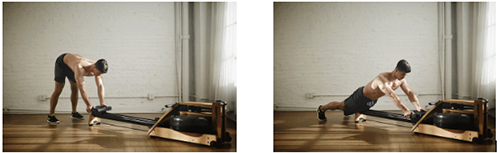
- Stand in front of a rowing machine and bend forward at the waist to place your palms on the seat of the machine.
- From here, inhale through your nose and, keeping your arms relatively relaxed, extend them in front of you so that your body lowers into a plank position.
- Once your body forms a straight line from your head to heels, forcefully exhale and squeeze your core to fold your arms and torso back toward your legs.
2.Single-Arm Plank + Single-Arm Banded Row
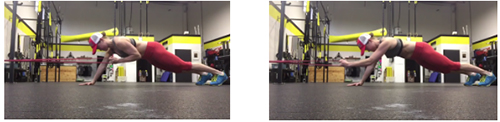
- Get in a plank on the floor, a few feet away from the end of a secured resistance band.
- Your body should form a straight line from head to heels.
- With your feet spread hip-width apart and your hands spread shoulder-width apart and just in front of your face, brace your core and squeeze your glutes.
- Grab the end of the resistance band with one hand and, keeping your body and torso stable, row the band toward your chest.
- Perform all reps, then switch sides.
3. Stability Ball Knee Tucks
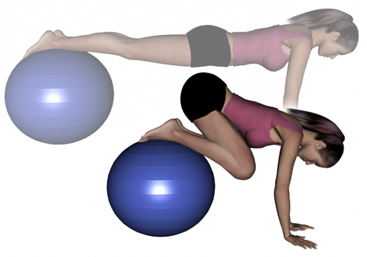
- Start in a push-up position with your feet up on the ball.
- Make sure that you engage your core and raise your hips so your back is flat before you begin.
- Keep your back flat and try not to raise your hips as you draw your knees into your chest.
- Extend both legs back out to the starting position and repeat.
4. Quadruped Bird Dog + Single-Arm Row
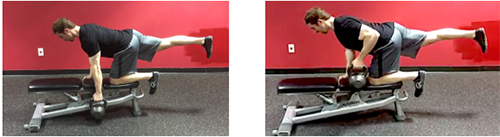
- Get on your hands and knees on a bench.
- Grab a dumbbell with one hand, and lift and extend the leg of the same side behind you so that it is parallel to the floor.
- Keeping your core braced, row the dumbbell up toward your ribcage.
- Do not allow your back to hyperextend or body to twist.
- Pause, then slowly lower the dumbbell toward the bench.
- Repeat all reps, then switch sides.
Why a Calorie is NOT a Calorie
Myth: Calories are the most important part of the diet
It is true that all “calories” have the same amount of energy.
1 calorie (Kcal) = 4184 Joules of energy
When it comes to your body, things are NOT THAT SIMPLE!

- Refined carbohydrates are not good for you
- This includes added sugars like sucrose and high fructose corn syrup
- Refined carbohydrates tend to be low in fiber and they get digested and absorbed quickly
- This leads to rapid spikes in blood sugar
- Hence, they have a high glycemic index (GI)
When we eat a food that spikes blood sugar fast, this leads to a crash in blood sugar a few hours later and then we get cravings for another snack (probably high in carbs L)
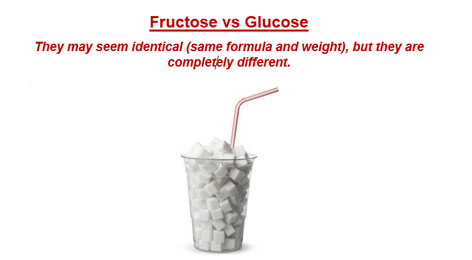
- The two main simple sugars in the diet are glucose and fructose
- Glucose can be metabolized by all of the body’s tissues
- Fructose can only be metabolized by the liver
Ghrelin is the “hunger hormone.”
- It goes up when we are hungry and down when we are satiated
- Fructose leads to higher ghrelin levels (more hunger) than glucose
- Fructose does not stimulate the satiety centers in the brain
A high consumption of fructose can cause:
- insulin resistance
- abdominal fat gain
- increased triglycerides
Note: Fruits also have fructose but in addition, they have fiber and water which can mitigate the negative effects of the fructose.

- Low-carb diets lead to more weight loss, often 3x as much
- People start eating less calories without trying
- Even when calories are matched between groups, the low-carb groups lose more weight
- Low-carb diets also cause significant water loss and reduce excess bloating
Low-carb diets tend to include more protein than low-fat diets
- Protein uses energy to metabolize and turn into glucose used throughout the body
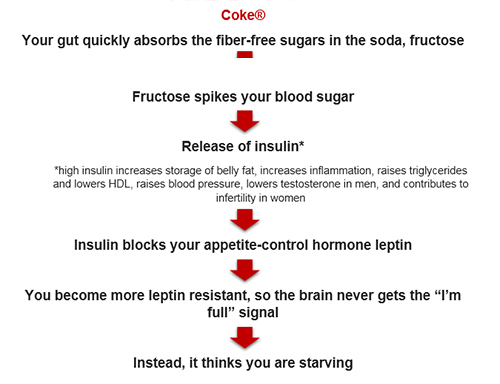
ENTER FRUCTOSE
- It goes directly to your liver, where it starts manufacturing fat
- Triggers more insulin resistance and causes chronically elevated blood insulin levels
- Now, everything you eat gets stored as dangerous belly fat
- You also get a fatty liver, which generates more inflammation
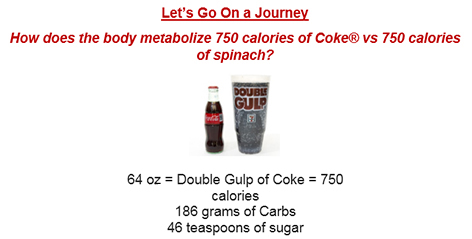
Now you can see just how easily 750 calories of soda can create
biochemical chaos.
In addition, the soda contains no fiber, vitamins, or minerals.
These are “empty” calories devoid of any nutritional value.
But they are “full” of trouble.
Summary:
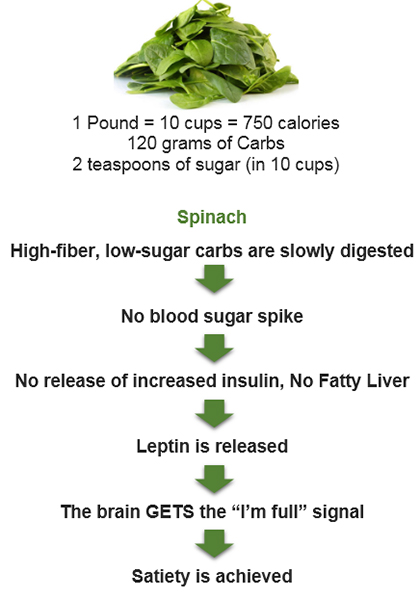
- First, you wouldn’t be able to eat 10 cups of spinach, because it wouldn’t fit in your stomach
- If you could, what would happen?
- They contain so much fiber that very few of the calories would actually get absorbed
- Those that did would get absorbed very slowly
- There would be no blood sugar or insulin spike, no fatty liver, no hormonal chaos
- Your stomach would distend sending signals to your brain that you were full
- You would also get many extra benefits that optimize metabolism, lower cholesterol, reduce inflammation, and boost detoxification
Bottom Line:
- Refined carbohydrates (high glycemic index) lead to faster and bigger spikes in blood sugar, which leads to cravings and increased food intake.
- Even though fructose and glucose have the same chemical formula, fructose has much more negative effects on hormones, appetite and metabolic health
- Low-carb diets consistently lead to more weight loss than low-fat diets, even when calories are matched between groups.
- Different calorie sources can have vastly different effects on hunger, hormones, energy expenditure and the brain regions that control food intake.
- Even though calories are important, counting them or even being consciously aware of them is not at all necessary to lose weight.
- In many cases, simple changes in food selection can lead to the same (or better) results than calorie restriction.
Tips for a Healthy Thanksgiving

Thanksgiving comes around once a year, so now is the time to splurge, right?
Well….maybe not!
Gaining weight during the holiday season has become a national pastime. Year after year, most of us pack on at least a pound (some gain more) during the holidays — and keep the extra weight permanently.
But Thanksgiving does not have to sabotage your nutrition and fitness goals. With a little knowledge, you can still enjoy a guilt-free Thanksgiving feast.
Breast Cancer Awareness: Shoulder Pain
Breast cancer is the most common cancer among women in the United States (other than skin cancer). But millions of women are surviving the disease thanks in part to early detection and improvements in treatment.
Shoulder pain in breast cancer survivors is a common condition that should not be ignored. Early detection and treatment are important in preventing long-term complications.
Dr. Eric M. Wisotzsky is the Chief of Rehabilitation Medicine and Director of the Cancer Rehabilitation Program at MedStar National Rehabilitation Health Networks. He is also an Assistant Professor of Rehabilitation at Georgetown University Medical Center.
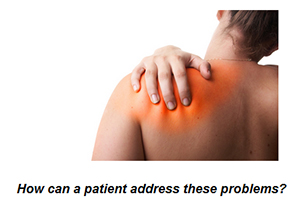
Many breast cancer survivors who have had surgery, chemotherapy and radiation report shoulder pain especially when lifting their arm overhead. What might be the problem?
Shoulder problems are extremely common after breast cancer treatment. Up to 68% of breast cancer patients may experience shoulder pain and/or restricted shoulder motion. There are two common causes of these symptoms.
- Inflammation
- Compression of one or more of the rotator cuff tendons is also called tendinitis. Breast cancer patients are prone to get this due to muscle tightness that can occur after surgery or other treatments, especially radiation.
- In addition, poor posture may contribute to the tendinitis. Studies have shown that alterations in women’s posture after breast surgery can lead to tendinitis of the shoulder. Typically, this type of pain is worse when lying on the shoulder, which can explain the pain at night. The tendon often can become compressed when lifting the arm overhead, which is painful.
- Frozen Shoulder
- This condition involves a very stiff shoulder which may or may not be painful. Not moving the arm enough after breast cancer treatment can sometimes lead to this problem. In addition, radiation can add to this stiffness.
- In terms of treating this problem, seeing a physician who can correctly diagnose the problem is the critical first step.
- This problem should be addressed by a physician comfortable with the non-surgical management of shoulder problems, such as a physiatrist (a physical medicine and rehabilitation doctor).
- The physiatrist will talk to you and examine your shoulder to determine the cause of pain.
- Imaging such as an x-ray or MRI may be ordered to help with the diagnosis and to get a good look at the anatomy of the shoulder.
- In addition, many physiatrists can use ultrasound in the office to look at your tendons to visualize the extent of the problem.
- Once the diagnosis is clear, a physician can develop a comprehensive rehabilitation plan to restore your shoulder health.
- This typically would include a specific physical or occupational therapy program, ideally with a therapist that is experienced in working with breast cancer patients.
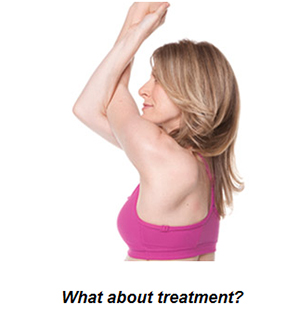
- This program would include improving range of motion, stretching and strengthening shoulder muscles, and restoring appropriate posture.
- The physician may also prescribe medication, such as an anti-inflammatory.
What if physical therapy doesn’t help?
- If the symptoms do not completely resolve, the physician may recommend a “cortisone” injection, which can be very helpful
- This injection can even be done using ultrasound guidance to ensure the medication is devliered to the correct target
- In refractory cases of frozen shoulder, sometimes a doctor will take the patient to the operating room and while the patient is asleep, gently break the adhesions so the shoulder moves better. This is called “manipulation under anesthesia”.

Shoulder discomfort after breast cancer treatment is extremely common and is not likely to be a sign that your cancer has spread or returned, however it is always important to inform your oncologist of any new pain symptoms.
When’s the Best Time to Exercise?
Whether you can’t start the day without your morning run or you prefer to squeeze in your sweat sessions at the gym after a stressful workday, it’s a given that exercising at any point in the day is always better than being a couch potato.
But does it really make a difference whether you work out in the morning or the evening?
Turns out, it might, depending on your goals.
There is some evidence that working out on a completely empty stomach — or “in a fasted state” — prompts the body to burn more fat and potentially stave off weight gain, compared to exercising at other times.
In a groundbreaking Belgium study, researchers persuaded young, healthy men to eat 30% more calories and 50% more fat than they typically eat. The men were divided into 3 groups:
- Sedentary group
- Strenuous mid-morning exercise after they ate
- Same workout regiment but before they had breakfast (on an empty stomach)
What Happened after Six Weeks…?
Sedentary group
- gained about six pounds
- also developed insulin resistance
- had increased fat cells in their muscles
Men who exercised after breakfast
- also packed on pounds, about three pounds
- developed insulin problems
Men who exercised first thing in the morning
- gained almost no weight
- retained healthy insulin levels
- were also burning more fat throughout the day
While the early-morning exercise prevented weight gain, this is not the same thing as inducing weight loss. Combining a healthy well-balanced diet along with being physically active is the best strategy to prevent weight gain.
However…as we have seen, early-morning exercise in the fasted state is more potent than an identical amount of exercise in the fed state.
Afternoon Advantages
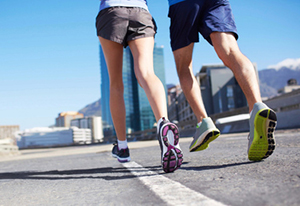
If you can’t fit in a workout before noon, don’t sweat it. The body can adapt to any workout time but consistency is key. Research suggests that sticking to a specific workout time can result in better performance, higher oxygen consumption, and lower perceived exhaustion.
Core Temperature:
- A cold body leaves muscles stiff, inefficient, and susceptible to sprains
- Higher body temperatures leave muscles more flexible
- Body temperature typically increases throughout the day, so muscle strength and endurance may peak in the late afternoon, when body temperature is highest.
Hormone Levels:
- Testosterone is important for muscle growth and strength, in ladies and men
- The body produces more testosterone during late afternoon
- The stress hormone cortisol aids in the storage of fat and reduction of muscle tissue
- Cortisol peaks in the morning and decreases throughout the day so exercising in the morning MAY be a disadvantage
Morning Perks
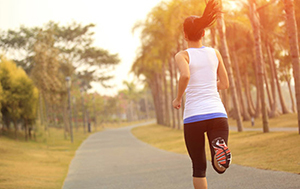
- It’s sometimes easier to keep a morning workout routine consistent.
- Afternoon and evening workouts are more likely to conflict with other responsibilities
- Plus a full day’s work can take a serious toll on will power
Sleep:
- Morning workouts can help with sleep
- Exercise increases heart rate and body temperature so working out too late may disrupt sleep
Curb Appetite:
- One study found that 45 minutes of moderate morning exercise (like walking briskly on the treadmill) helped curb appetite directly after working out
- People can burn up to 20 percent more body fat exercising on an empty stomach
The Bottom Line
In the end, it’s most important to find a consistent workout schedule.
If working out in the morning is best for your schedule, make sure to warm up muscles that might be cold and tight from sleep.
To keep afternoon workouts consistent, treat them as unbreakable appointments…find a workout buddy (that may help).
“Exercise is beneficial regardless of the time of day you do it.”
An Early FLU Shot is Better than No Shot At All!
The flu, short for influenza, is a respiratory disease caused by the influenza virus. Some common symptoms are fever, cough, sore throat, runny nose, muscle aches and fatigue.
The seasonal flu shot is a vaccine taken to protect against the flu every year.
According to the Centers for Disease Control and Prevention (CDC), flu shots are recommended for all Americans over the age of 6.
Who should get the flu shot?
The CDC recommends it for anyone over the age of 6 months, with rare exceptions (see below). Dr. Priya Nori, an Infectious Disease specialist states, “since the most widely available influenza vaccine is an inactivated vaccine (meaning that it cannot actually transmit the flu as an inactivated particle), almost everyone is eligible.”
Those who can safely tolerate the vaccine, include:
- Healthy children ≥ 6 months
- Children ≥ 6 months with chronic medical conditions such as asthma, type I DM, chronic immune deficiencies, cystic fibrosis, sickle cell disease, leukemias, etc.
- Adults with chronic medical conditions such as asthma, COPD, DM, malignancy, kidney failure, liver failure, HIV, organ transplant, asplenia, etc.
- Pregnant and post-partum females
- Elderly individuals
- Even people with a range of egg allergies (such as hives) can safely tolerate the routine influenza vaccination (usually made in egg-based culture) because the rate of allergic reaction is very low
A recent CDC study found that the rate of life-threatening allergy is extremely rare, “at 1.31 per one million vaccine doses given,” Dr. Nori reports.
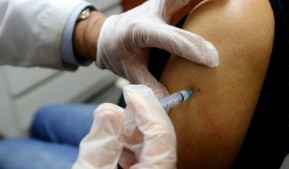
What’s new about the flu shot in 2016-2017?
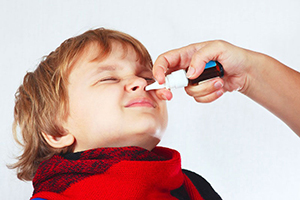
- This year, the CDC and professional medical societies no longer support use of the intranasal influenza vaccine based on data showing poor effectiveness and poor immune response. Dr. Nori states, “this type of vaccine was previously very popular among children, who will now have to receive the shot like their parents.”
- Egg allergies (Not an Issue)
- Most commercially available influenza vaccines are cultured in eggs. Based on data showing an extremely low incidence of side effects, even those with severe egg allergies can safely receive routine vaccines according to the updated CDC recommendation.
- This year, the quadrivalent influenza vaccine is widely available, providing protection against 2 circulating strains of influenza A (H3N2, H1N1) and 2 strains of influenza B.
Who should not get the flu shot?
- There is an influenza vaccine available for almost everyone
- Individuals who have ever suffered from Guillain-Barré syndrome (GBS) should first talk to their healthcare provider
- “Individuals actively ill with flu-like symptoms, such as fevers, chills, and body aches can still receive the flu vaccine once they have recovered,” states Dr. Nori.

When is the best time to get the flu shot?
- The flu season usually hits sometime in the fall, peaks in the really cold winter months, and usually runs its course by the spring.
- Therefore, the best time to be vaccinated is in the fall before the end of October.
- Consider that it takes up to 2 weeks to develop an antibody response to the flu shot, so timing of the vaccine is key. You want to be armed and protected before the onset of the season, which might be any time now.
- If you travel for business or leisure to temperate regions of the Southern Hemisphere, know that influenza activity is high from April to September.
- In the tropics, influenza season occurs throughout the year. Talk to your healthcare provider about vaccines you might need before travel, including influenza.
Can the shot make me sick from the flu?
- The influenza vaccine contains an inactivated flu particle to stimulate the production of anti-influenza antibodies
- Because it is not alive, it will not “give you the flu.”
- Expected side effects
- low-grade temperature up to 99-100F
- body aches
- fatigue
- runny or stuffy nose
- Some people have no side effects, or just some soreness at the injection site.
Thank you to our medical contributor
Priya Nori, MD
Medical Director, Antimicrobial Stewardship Program
Montefiore Health System
Assistant Professor of Clinical Medicine
Albert Einstein College of Medicine