
All posts by IT Admin
Is your Mattress or Pillow Causing you Spine Pain?
We spend nearly one third of our lifetime in bed. It’s natural to presume all this time on mattresses and pillows has an effect on the musculoskeletal system, pain levels while awake, and ultimately our ability to function.
The evidence on this topic is sparse. Furthermore the evidence that exists is diluted with sensational articles with headlines like
- “My Mattress was Putting my Health in Jeopardy!”
- “8 Ways Your Mattress is Literally Ruining Your Health”
So what does the evidence show?
New mattresses improves sleep and therefore cognitive function
First of all, mattress selection affects sleep quality, which, among other things, affects cognitive function. An article published in Nature Neuroscience in 2013 showed that interrupted sleep in the elderly contributed to age-related cognitive decline. This finding underscore the importance of a good night’s sleep.

How do you know if your mattress in contributing to a poor night’s sleep?
Is sleeping better away from home?
- If that’s the case, and your mattress is several years old, you should consider getting a new one. In fact, there is evidence that a new mattress in and of itself, improves your sleep!
- A study out of the Oklahoma State University School of Applied Health and Educational Psychology demonstrated that new mattresses increased sleep quality and reduced back pain (Journal of Chiropractic Medicine. 2009)
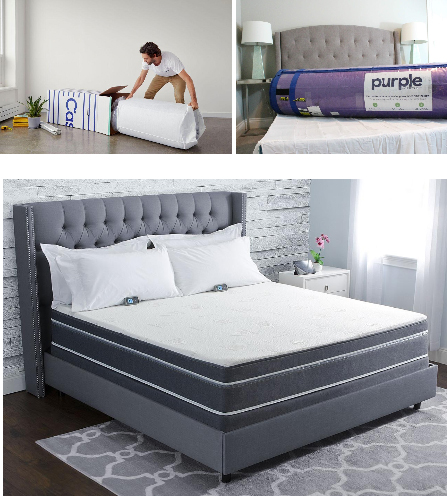
What kind of mattress should you use?
- One point of contention is the debate over firmness.
- There is no standardization of terms like “soft,” “medium-firm,” and “firm.”
- However, there is general consensus among experts that a more firm mattress is better for back pain, while softer mattresses are advisable for tender points.
This conflict, and the lack of standard measures of firmness means you should be “test-driving” mattresses before making a purchase.
Pillows
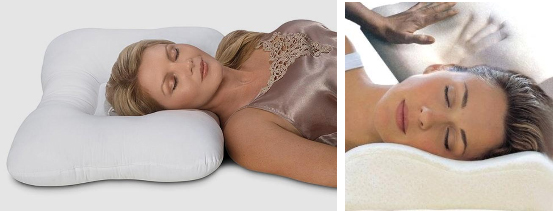
- Head position and pillow use is controversial as well, with little evidence to guide recommendations.
- There is expert consensus that the neck should be in a neutral position, meaning not very flexed or extended.
- This means we should limit the use of pillows to no more than two flat pillows.
- However, if you have been diagnosed with asthma, acid reflux, heart failure, or chronic lung disease, you may need more pillows to sleep comfortably and should discuss this with your physician.
Last Word
- If you have an old mattress and you sleep better outside the home, consider getting a new mattress
- A new mattress in and of itself has been shown in one study to improve sleep quality and improve back pain.
- Choosing a new mattress should be a deliberate process, including “test-driving” multiple mattresses.
Acknowledgements:
Behnum Habibi, M.D.
Physical Medicine and Rehabilitation Resident
New York Presbyterian Hospital
Artificial Sweeteners: The Science
What are artificial sweeteners?
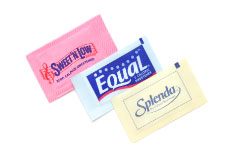
Artificial sweeteners or Low-calorie sweeteners (LCS) are synthetic sugar substitutes up to 8000 times sweeter than sugar but with less food energy. They are metabolized more slowly than sugar which allows for stabilization of sugar levels.
The FDA has approved 6 artificial sweeteners
- saccharin (Sweet ‘N Low)
- acesulfame (Sunett)
- aspartame (Equal)
- neotame
- tagatose and sucralose (Splenda)
- a natural low-calorie sweetener (Stevia)
History
The Facts:
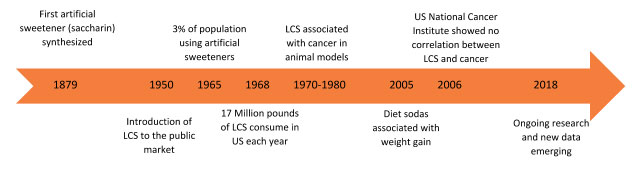
 Obesity: Research has associated LCS with weight gain through compensation, by promoting hypoglycemia and hunger leading to increase food intake afterwards. Although short-term weight loss has been shown with the use of sweeteners, data long-term is controversial.
  Cancer: Extensive research has shown no correlation between artificial sweeteners and cancer.
 Birth Defects: No research has found evidence of increased birth defects with the use of artificial sweeteners.
 Neurological problems: No data supporting risk for neurological effects like Parkinson’s, hyperactivity, Alzheimer’s or seizures
 Diabetes: Insulin levels tend to be lower post artificial sweeteners when compared with normal sugar. However, other hormones associated with glucose control showed no difference. The benefit in diabetes from LCS is mostly from carbohydrate substitution and not from glycemic control.
A word on Stevia…
Although considered a natural alternative, Stevia is not free of adverse effects. It has been associated with decreased sperm production and infertility in animal models. Research in humans is ongoing.
What’s next?
- Research on the long-term effects of artificial sweeteners use is ongoing.
- Rare or delayed effects of the newer LCS’s may not been identified yet.
- In children, the use of these types of additives should only be considered when other strategies have been tried
- For weight and glycemic control benefits, the use of artificial sweeteners must be combined with lifestyle modifications including healthy diet and increased in exercise.
Final Thoughts…
- Eat less sugar. It’s a no-brainer.
- There’s no question that artificial sweeteners contain fewer calories than sugar.
- Artificial sweeteners may have a stimulating effect on appetite and, therefore, may play a role in weight gain and obesity.
- Cut back on foods with added sugar and you can reduce cravings for sugar in the first place.
Acknowledgement:
Dr. Karina Nicole Ruiz-Esteves (Medical Student at Weill Cornell Medicine)
Reduce Stress and Anxiety in Five Minutes

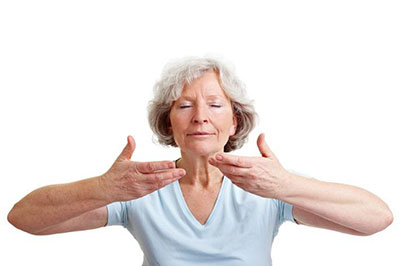
One of the simplest and often most overlooked treatment for anxiety and stress is “mindfulness”. A simple way to practice is to mediate and focus on your own breathing. Mindful breathing has been shown that with a little time investment (10-15 minutes daily), people can minimize negative emotions, cool themselves down and help with stress and anxiety.

The Breathing
- Take a deep inhale through your nostrils (2-3 seconds)
- Hold your breath (2-3 seconds)
- Take a long slow exhale (4-5 seconds)

Here’s how you do it:
- Find a relaxed, comfortable position
- Find a comfortable, relaxed position, either seated or lying down
- Keep your back upright, but not too tight
- Hands resting wherever they’re comfortable
- Focus on your breath
- Feel the natural flow of breath
- Not long, not short, just natural
- When one breath ends, the next breath begins
- Redirect the wandering mind
- Your mind may start to wander
- If this happens, it is not a problem
- Gently redirect your attention right back to the breathing
- Stay here for five minutes
- Notice your breath, in silence
- Let yourself relax
- As your practice improves, so will the outcomes
7 minute workout
Science says….YES!!
As I have previously written, high intensity interval training (HIIT), can be as beneficial, if not more, than moderate intensity prolonged exercise. Interval training must encompass both intense activity combined with brief periods of rest. Studies have shown that training at YOUR maximum capacity, even in short bursts, can cause molecular changes in your muscles and cardiovascular system.
The following 12 exercises are performed using only your body weight, a chair and wall!! This workout will essentially combine the benefits of a long cardio workout as well as resistance training into 7 minutes of HIIT.
Directions:
- Perform each exercise below at a high-intensity effort for 30 seconds
- For static exercises such as Wall Sit and Plank, hold the position for 30 seconds
- Rest for 5 seconds between each exercise
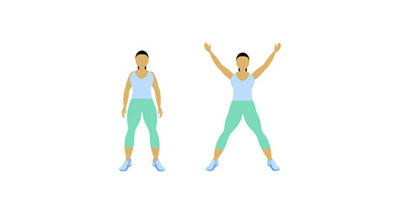
1. Jumping Jack
Stand with feet hip-width apart. Jump feet open as you raise arms up to form an X. Jump feet back together as you lower arms to sides.
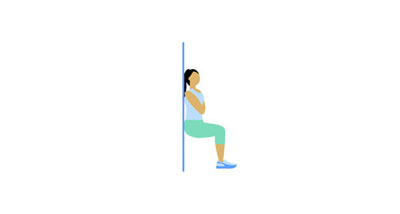
2. Wall Sit
Stand with back to wall. Walk feet away from wall as you slide back down wall, lowering body until hips, knees, and ankles are at 90-degree angles. Engage core to keep low back pressed against wall.
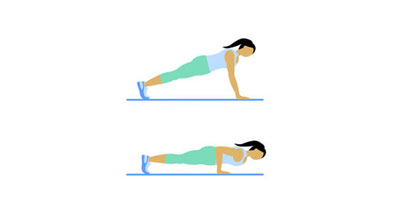
3. Push-Up
Start in high plank, wrists under shoulders, core engaged. Lower chest to floor, keeping legs, hips, and back in a straight line. Press into palms to lift back up.
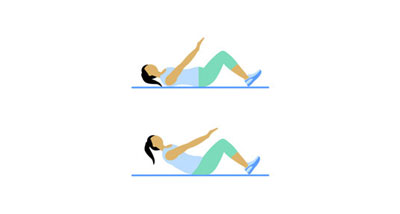
4. Crunch
Lie face-up on floor with knees bent and arms reaching straight out. Press low back into floor and engage core to lift shoulder blades up off the floor and slightly forward.
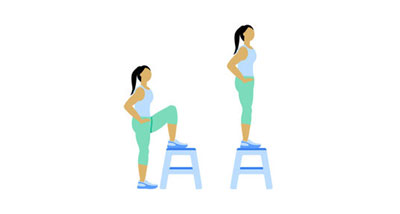
5. Step-Up
Stand facing chair (or stool) and lift right foot onto seat. Press into heel of right foot to lift your body weight onto chair, balancing on right leg. Slowly lower back down to floor. Switch legs and repeat. Continue to alternate.
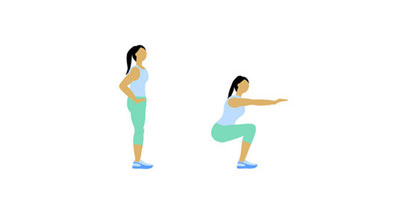
6. Squat
Stand with feet just wider than hip width, hips stacked over knees, knees over ankles. Hinge at hips then send hips back and bend knees to lower body. Keep chest lifted and lower to at least 90 degrees. Rise and repeat
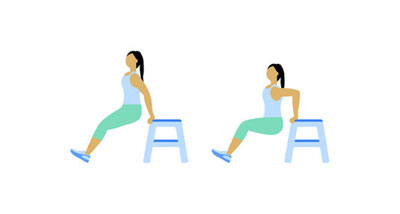
7. Triceps Dip
Sit on edge of chair and place hands on edge just outside of hips. Walk feet out a few steps, slide butt off chair, and straighten arms. Bend elbows and lower body until arms are bent at about 90 degrees. Press down into chair to return to starting position.
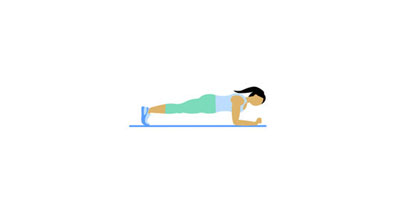
8. Plank
Place hands directly under shoulders. Engage core and squeeze glutes to stabilize body. Keep neck and spine neutral. Head should be in line with back. Hold position.
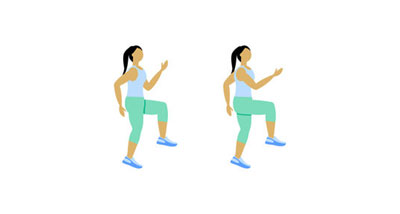
9. High Knees
Stand tall with feet hip width. Engage core and use lower abs to lift and lower one knee at a time as if running in place. Bring knees to same height as hips, thighs parallel to floor, and try not to lean back. Stay on balls of feet and alternate legs as fast as possible.
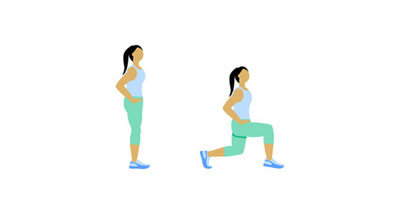
10. Lunge
Stand tall. Take a big step forward with right leg and lower body until right thigh is parallel to floor and right shin is vertical (don’t let knee go past right toe). Press into right heel to drive back up to starting position. Repeat on other side. Continue to alternate legs.
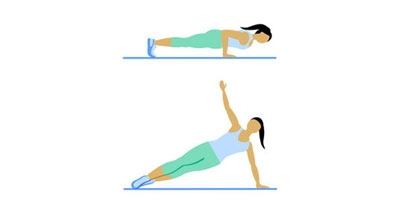
11. Push-Up With Rotation
Start in high plank and lower body then press back up to perform a push-up. From high plank, shift weight to left arm and rotate body to left side. Hold side plank for one count keeping hips high. Return to starting position, perform push-up, and repeat on right side. Continue to alternate.
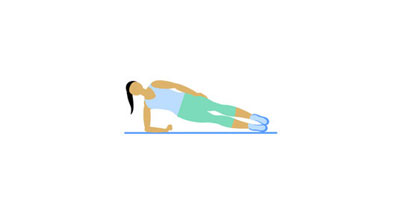
12. Side Plank
Lie on one side with legs and feet stacked on top of one another. Lift hips to prop body up on elbow, keeping feet stacked. Press forearm into ground to keep torso and hips in a straight line. Hold.
Conclusion
- The 7-minute workout undeniably has health benefits
- It will raise your heart rate, increase your metabolism and build some strength
- Disclaimer
The Power of Positive Thinking
Mind over Medicine

Most of us have heard of the “placebo” effect. This healing effect occurs in patients during clinical trials, when they are given a fake or sham treatment, yet they still feel the positive benefits. The placebo effect is real, some suggest involvement up to 70% of the time. But this effect is not just in your head, research has shown that simply believing you are getting the actual treatment, can cause physiologic changes in the body:
- decreasing your blood pressure
- heals ulcers
- even makes bald men grow hair who think they’re getting Rogaine!!
But this placebo effect, has a dark, even twin, called the “nocebo” effect. The same mind-body power that can cause positive changes in the body, can also harm you.
The mere suggestion that a patient may experience a side effect from a medication or procedure can result in patients reporting these symptoms. In a double-blinded clinical trial, patients were warned about the side effects they may experience, and approximately 25% reported severe side effects, even when they were only taking sugar pills.
What the research shows…
- Patients about to undergo surgery who were “convinced” of their impending death had worse outcomes than those who did not have negative feelings
- Women who believed they were prone to heart disease were 4 times more likely to die. It’s not because these women had poorer diets, higher blood pressure, higher cholesterol, or stronger family histories than the women who didn’t get heart disease. The only difference between the two groups was their beliefs compared to another group.
- Patients believed to be terminal who are mistakenly informed that they have only a few months to live have died within their given time frame, even when autopsy findings reveal no physiological explanation for the early death.
- A well-known study in the New England Journal of Medicine found that a fake surgery for knee arthritis was just as effective as a real surgery
- Irritable bowel sufferers who knew ahead of time that they would be taking a placebo, reported improvement in symptoms, simply because it was suggested that they could.
Dementia
- A general distrust of people leads to a greater risk of dementia compared to those who were more trusting. Neurology 2014
Heart Disease
- Data from nearly 100,000 women found that the most cynical participants were more likely to have heart disease than the least cynical folks. Circulation 2009
Stroke
- People who scored higher on measures of unfriendliness, as well as those with chronic stress and depressive symptoms, had a higher risk of stroke than the friendlier participants. Stroke 2014
Benefits of Positive Thinking
The “power of positive thinking” is a popular concept, but what does the “power of positive thinking” really mean?
I have presented a lot of data that shows how having negative beliefs about your health can adversely affect your health. This also holds true for many patients I treat for spine pain. Here are some benefits and tips on how to remain positive even in times of extreme pain:
Boost Immunity
Positive thinking helps to fight stress by decreasing cortisol production. Positive thinking has actually been found to boost your body’s ability to fight off disease
Improve Heart Health
Stress and anxiety can mess with your heart function. However, positivity can lower your risk of heart disease, including stroke and heart attacks. People who think positively tend to exercise more, eat healthier, and live happier lives!
Extend Lifespan
Individuals who think positively tend to age healthier. This means that they suffer from fewer physical and emotional health problems as they got older.
Tolerate Pain
Positive thinking is proven to help people tolerate pain. While stress and negativity cause pain sensations to be stronger, positive thinking can help reduce the pain.
How to Become a Positive Thinker
Smile
Smiling has been scientifically proven to improve your mood and thought patterns. The muscles in your forehead are directly linked to your brain’s emotional center, and creasing them into a frown can make you moody and depressed. Smiling, on the other hand, sends positive, happy thoughts to your mind.

Yoga or Meditate
Mindfulness is a great activity that helps you to bring your focus inward and listen to your self-talk. If you hear a lot of negativity, make a conscious effort to replace those thoughts with positive ones
Be Around Positive Thinkers

Take a look at the people around you and instead of hanging around people that will accompany you in your misery, find people that will help to pull you out of it. The more positivity you have in your life, the brighter the world around you will become.
Sing

Science has proven that singing helps fight depression and boosts your mood. The more you sing, the happier you’ll become. It’s a great de-stressing activity!
A Guide to the “Medicinal Diet”

Let food be thy medicine and medicine be thy food”
Hippocrates, 400 B.C.
I have previously written about why a calorie is not just a calorie and the key to an anti-inflammatory diet.
While foods do provide us with energy, they can also shape our health and determine the way we live. In addition to Hippocrates, Ayurvedic medicine and Traditional Chinese medicine, have promoted that food is medicine and how to use nutrition to optimize one’s health.
Foods can contain both harmful chemicals such as pro-inflammatory substances, including sugars, trans-fats, aspartame and nitrates. But food can also be beneficial by consuming antioxidants, vitamins, minerals and much more.
Food is Medicine

- The foods we eat can determine our health status
- Toxicities of certain substances and deficiencies of others are linked to most modern health conditions (heart disease, cancer, diabetes, obesity and others)
Nutrigenomics is a new field focused on studying how health and life expectancy can be influenced by food.
- genes play a role in BOTH disease development and prevention
- a poor diet can be a serious risk factor for many diseases
- a healthy, personalized diet CAN prevent or even cure chronic diseases
Blood Sugar
- consuming high amounts of sugar and processed carbohydrates lead to increased blood sugar
- the body responds by pumping out more insulin
- with weight gain, the body becomes less responsive to insulin requiring more and more to bring down blood sugar
- this can and will eventually lead to diabetes
Decreasing Inflammation
- inflammation is at the core of most diseases
- inflammation is your body’s immune response system and can effect every tissue
- obesity has been shown to be largely inflammation drive
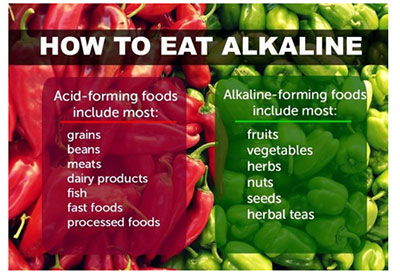
Body Acidity
- the human body functions best at around a pH of 7.3-7.45 (slightly alkaline)
- with the stomach contents being very acidic (pH 3.5), the body must balance this by consuming high alkaline foods
- processed good increase the body’s acid, but whole food and plants help maintain balance and cellular renewal
The Best Medicinal Foods
Digestion and absorption tend to decrease as we get older. For this reason, food choice and consuming the best possible nutrients are paramount.
Here are five food groups that help protect you most:
- High-Antioxidant Foods
- Antioxidants slow the effects of aging by decreasing free radical damage
- “Eat the rainbow”- naturally brightly colored foods (red, orange, yellow, green, etc.) are supplying nutrients like beta carotene, resveratrol, flavanoids and more
- Berries, red wine, raw cocoa, acai, leafy greens, fresh herbs and spices, cruciferous veggies and bright root veggies

Fresh/Raw Vegetables
- Green leafy vegetables and fresh vegetable juices are considered some of the healthiest foods on earth
- They help restore the body’s proper pH, prevent nutrient deficiencies, curb hunger and detoxify the blood
- They are also super low in calories, yet beaming with antioxidants, phytonutrients and vitamin C, vitamin K, magnesium, potassium, iodine and fiber.

Meats
- Organ meats, including chicken/beef liver, are some of the most nutrient-concentrated foods
- Liver is a true superfood and exceptionally high in zinc, iron, vitamin A, vitamin B12
- Bone broth provides us with collagen, glucosamine and other trace minerals
- These nutrients help treat illnesses like irritable bowel disorders (IBD), arthritis and joint pains

Healthy Fats
- A diet high in “good fats” is essential for controlling inflammation, cognitive health, hormone production, cancer prevention, weight loss and cellular healing
- Omega-3 fats are natural anti-inflammatories and help counteract the effects of pro-inflammatory omega-6 fats
- The best fats include fish like salmon, halibut, tuna and mackerel
- Other plant sources include walnuts, flaxseeds and chia seeds.

High Fiber Foods
- Dietary fiber helps keep you “regular” in the bathroom
- But it’s also very important for heart health, your entire digestive system and gut, and even your immune system
- Fiber helps to reduce cholesterol and triglycerides, plays a role in regulating blood sugar levels, helps prevent insulin resistance, and promotes the growth of beneficial probiotic bacteria in your gut that influence immunity
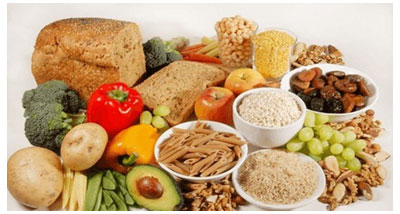
Sample “Medicinal Diet”
- Organic Vegetables
- (raw and cooked):
- leafy greens, mushrooms, asparagus, artichokes, squash, sea vegetables, fresh herbs
- Fresh Fruits
- berries, citrus and melon
- Grass-Fed Meats
- Free range meats and eggs
- Turkey, fish, organs
- Low-Glycemic Carbohydrates
- sprouted grains, soaked legumes and beans, nuts and seeds
- Healthy Fats
- Coconut oil/cream, real olive oil, avocado, nuts and seeds
Summary on Food is Medicine
- Because foods have an effect on inflammation levels, blood sugar, energy, hormones, brain and heart health, they truly do act like medicine
- A healthy diet plays a role in how genes are expressed and can tip the scale in favor of preventing disease, even if one runs in your family
Stay Healthy While you are Flying
Almost 1 billion people fly or board an airline every year. We all can agree that air travel can be tiring and often cumbersome, between TSA, boarding the flight and eventually retrieving your bags at your destination. Flying can mess with your natural (circadian) rhythm which can increase your stress and increase your chance of illness.
The airline cabin is not really a healthy environment. Here are some simple ways to help you stay invincible at 30,000 feet.
-
Drink more water
- The air in the cabin of planes gets cycled every 90 seconds or so
- This can leave the air VERY DRY (<6% humidity) Humans like some humidity in the air (~50%)
- In this environment we tend to lose water
- Stay hydrated and try to avoid caffeine and alcohol while you fly

-
Noise Pollution
- Passengers don’t always plan for the noises associated with flying
- Airplanes tend to have about 80 decibels of noise which is enough to cause your cortisol levels to rise and trigger stress
- Prolonged stress can lead to increased blood pressure, anxiety and even psychological disorders
- Elevator music (muzak) and similar sound frequencies can decrease cortisol levels
- Lower your stress by wearing ear plugs or even better, noise cancelling headphones

-
Immunity
- Airplanes and the seats we sit in share a lot of passengers daily
- Airlines often spray antibacterial and antiviral chemicals to minimize the germs
- These chemicals can cause breathing difficulties and worse asthma/COPD
- Maximize best antioxidant we have in our body, glutathione
- Vitamins A, D, and C, plus zinc and glutathione will help to keep your immune system strong

-
Maintain Blood Flow
- A deep vein thrombosis, or DVT, is a blood clot that usually forms in the legs
- These clots develop when there’s poor circulation to the legs, low air pressure, dehydration, and little leg movement
- Symptoms include swelling or redness, but most people who form clots won’t feel anything
- Avoid clot formation by:
- Keeping hydrated
- Standing up and walking around as much as possible
- Flex your feet and legs often to keep your blood flowing
- Consider wearing compression socks to avoid swelling

-
Hydrate Your Skin
- Hydrating your skin can serve as a protective element
- The best essential oils for hydrating are geranium, rose, sweet orange and lemon
- Nasal mucous membranes can often dry out, so try taking a saline solution to spray inside the nose

-
Smile
- While you can’t control others’ behaviors and actions, you can control yours
- One little smile goes a long way

How to Keep Up with the Kids….and not Get Hurt!

Many of the patients I see are new parents, new grandparents or even aunts/uncles. A well-established study states that children suffer fewer injures while spending time with grandparents and family members than when they are with other caregivers.
Unfortunately, as you may already know, even the youngest and fittest family members can get aches and pains with the addition of a new child.
The most common areas of vulnerability in those caring for children are the shoulders, neck, back, and knees.
Here are some tips to stay pain free
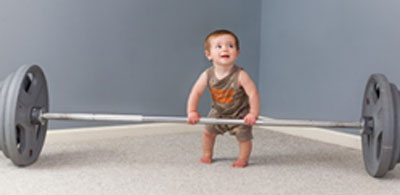
- Engage your “Core”
- Squeeze your gluts and bring your belly button to your spine
- This activity will help “brace” yourself prior to lifting and bending
- Planks and Side bridges can work these deep muscles
- Don’t Overdo It
- Any repetitive motion can cause serious damage, especially if you are not used to doing it
- When your children/grandchildren want to keep playing, listen to your body
- Stop when you get tired, convince the kids to take a break, or at least change the activity
- If you don’t use it, you will lose it
- Repeatedly going up and down off the floor can have a real impact on your body
- Maintaining an active lifestyle is an integral part of keeping joints healthy and effectively lubricated
- Any type of physical activity is better than none!
- Changing Diapers
- Leaning over and changing diapers on the floor is bad for your back
- Put the baby down on something waist high, like a changing table

Cribs are Killers!
- When you’re lying your baby in her crib, hold her close to your chest
- Spread your feet hip-width apart
- Bend your knees to squat slightly before lowering the baby down
- Avoid twisting and activate the abdominal muscles to protect the lower back

Posture, Posture, Posture
Lifting Children
- When picking up the child, bend at your knees, not hips
- Squat….dont Stoop!
- Hold the child close to your body so it is closer to your center of gravity
- Keep your shoulders back; and avoid slouching
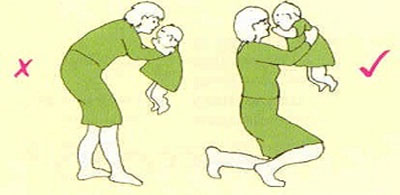
Babies younger than 6 months
- Keep the baby close to your spine and midline
- Hold them at your side, with their legs hugging your back and front
- Use your bicep rather than the hand, wrist, or forearm to bear the weight

Older than 6 months
- Baby Bjorns, traditional African carrying cloths and other carriers get your baby “as close to your spine as you can get”
- This minimizes the stresses on your lower spine and, in turn, decreases the chances for disc herniations
- Adjust the straps to balance the weight of your baby between your shoulders and hips, and hold baby close to your chest

Some Exercises to Prevent Injury and Maintain a Healthy Spine
Lifting your Baby Out of Crib
Bending and reaching compresses your spinal disks This can cause achiness and even long-term back problems.
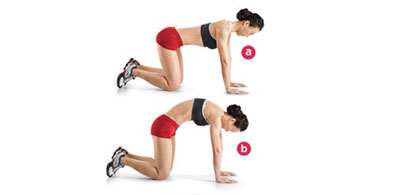
- Cat-Camel Stretch
- Get down on all fours with your hands beneath your shoulders and your knees beneath your hips, neck in line with your spine.
- Slowly round your back by tightening your abs and tucking in your pelvis; hold for five seconds.
- Then allow your back to sag toward the floor as you lift your chest and head; hold for five seconds.
- Repeat the combination 10 times
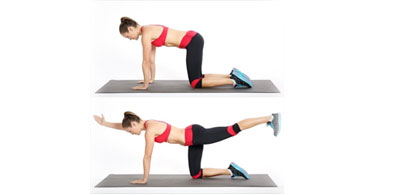
- Bird-Dog (Alternate)
- Come into the same starting position as you did for the cat-camel stretch
- Keeping your abs tight, raise your right arm in front of you as you extend your left leg behind you
- Hold for five seconds; repeat on the opposite side to complete the set.
- Do two to four reps
Running After your Baby
Simply walking with your kid requires more strength than you think You’re actually standing on one leg 60 to 70 percent of the time
Bending and reaching compresses the disks and tightens the hip flexors
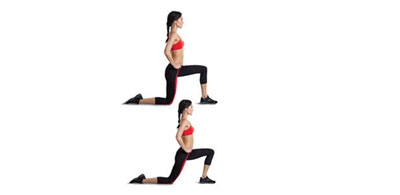
- Hip Flexor Stretch
- Come into a lunge position with your left leg forward, knee over your ankle, and your right knee on the floor
- Press your hips forward so you feel a stretch in the front of your right thigh
- Hold for 30 seconds and repeat two to three times, then switch legs and repeat
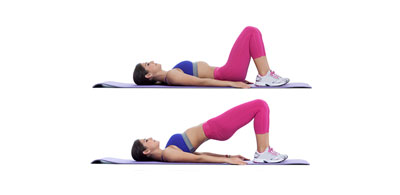
- Shoulder Bridge (Alternate)
- Lie on your back with your knees bent and your feet hip-width apart, heels slightly in front of your knees
- Rest your arms palms-down at your sides
- Inhale and pull your belly button in toward your spine as you slowly curl your back off the floor, pressing your feet into the floor to engage your glutes
- Hold for up to five seconds, then slowly roll down to starting position
- Repeat two to four times.
Wearing a Diaper Bag
Having children means you’ll be toting their toys, snacks, and much more wherever you go Be careful that you’re not making one shoulder do all the work This can results in keeping the shoulder shrugged Shoulder pain travels — you could end up with an achy neck and back as well
- Neck and Shoulder Stretch
- Sit on a backless chair with your feet on the floor
- Place your left arm behind your waist and grasp your left wrist with your right hand; gently pull your left hand toward the right side of your body
- Keeping your shoulders level, squeeze your shoulder blades back and together
- Hold for up to 30 seconds; release and switch arms

How Much Water Should You Drink

You may have heard that there’s no science behind the age-old advice to drink eight cups of water a day, but how much should you be drinking? It seems like a pretty basic question, but unfortunately there’s no clear-cut answer.
Water is the one nutrient we can’t survive without for more than a few days yet we know very little about hydration and long-term health. Many people are so busy that they often miss lunch or eat at their desk, let alone pause for a water break.
But staying hydrated has real advantages….read below for tips on quenching your thirst!!
Signs you are dehydrated
- URINE COLOR
- Here’s what your pee color could indicate: (These aren’t 100% reliable)
- Clear or pale straw-yellow: You are well hydrated. Keep up the good work.
- Honey, cloudy yellow or amber: You may be mildly dehydrated. Increase your water intake immediately
- Dark yellow, orange or brown: You’re severely dehydrated or you could have a condition that requires medical attention.
- Here’s what your pee color could indicate: (These aren’t 100% reliable)
- HEADACHES
- Dehydration causes your blood pressure to drop, which may lead to headaches
- Low blood pressure means less blood and less oxygen being carried to brain cells
- Drinking enough water may also help prevent migraines
- ALWAYS HUNGRY
- Mild dehydration can lead to sugar cravings
- On the other hand, staying well hydrated can trick you into feeling full
- Satiety- feeling of fullness, is influenced by what’s in your stomach—regardless of solid or liquid
- EXHAUSTION AND CONFUSION
- You may find yourself not on your “A-game”
- Slight dehydration can reduce concentration, cause fatigue, worsen mood and lead to headaches
- Dehydration can lead to a depressed mood and difficulty with reasoning!
- BAD BREATH
- Saliva keeps your mouth naturally fresh by rinsing away odor-causing bacteria
- Dry mouth from dehydration lets debris build up and contributes to foul-smelling vapors.
- Prevent bad breath by:
- Chewing sugar-free gum between meals
- Sipping from a water bottle throughout the day
- Snacking on high-fiber, hydrating fruits and vegetables
- DRY, FLAKY SKIN
- Dehydration can keep a layer of your skin from receiving the moisture it needs
- This leads to a flaky appearance with stretched pores and fine lines
- Keep your skin glowing by:
- Drinking a large glass of water before your morning coffee
- Discontinuing cigarettes and excess alcohol
- Avoiding long, hot showers
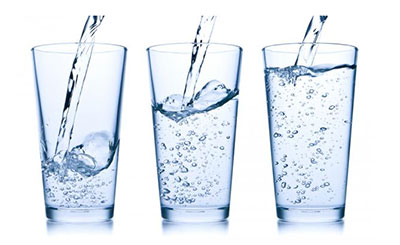
Simple Ways to Stay Hydrated
- ALWAYS CARRY A WATER BOTTLE
- If you have desk job, always keep one at your desk
- You’ll mindlessly sip from it throughout the day, without having to make a conscious effort.
- GRAB A GLASS OF COLD WATER
- People instantly feel more alert after drinking H2O
- It’s a simple, healthy way to snap out of a midday slump
- HERBAL TEA
- sip on a mug of herbal tea or chai in the evening
- You will add an extra cup of fluid to your daily intake
- PLUS, this is a wonderful way to de-stress at the end of the day
- WATER-RICH FOODS
- Eat a diet rich in vegetables, fruits, and yogurt
- This will automatically increase your fluid intake
- However, processed snack foods like chips, crackers, and baked goods have almost ZERO water content.
SO……HOW MUCH WATER DO YOU NEED IN A DAY?
- The common advice to drink eight (8) glasses isn’t actually based on science
- The truth is, the amount of water you need may vary depending on your age, health, activity level, gender and other factors
- Some general guidelines (according to the Institute of Medicine)
- Healthy adult – three liters of water, or 13 glasses a day
- Healthy adult women- 2.2 liters, or nine glasses a day
Treatments for Knee Osteoarthritis
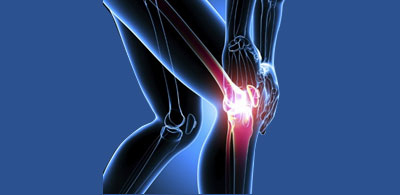
Arthritis of the Knee
- Arthritis is inflammation of one or more of your joints.
- Pain, swelling, and stiffness are the primary symptoms of arthritis.
- Any joint in the body may be affected by the disease, but it is particularly common in the knee.
An estimated 54 million adults in the United States are affected by some form of arthritis
- The number of adults with OA is expected to increase as baby boomers age and enter into age groups with higher prevalence of arthritis
- By 2040, the number of adults with arthritis is projected to increase to 78.4 million, most of whom will have OA
Normal anatomy of the knee.
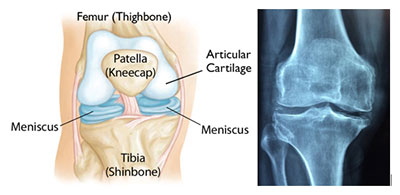
- The knee is the largest and strongest joint in your body.
- It is made up of the lower end of the femur (thighbone), the upper end of the tibia (shinbone), and the patella (kneecap).
- The ends of the three bones where they touch are covered with articular cartilage, a smooth, slippery substance that protects and cushions the bones as you bend and straighten your knee.
Although there is no cure for arthritis, there are many treatment options available to help manage pain and keep people staying active.
- Medications
- Your doctor may prescribe medications to help relieve pain and to treat underlying conditions
- These include non-steroid anti-inflammatories (Motrin, Ibuprofen, Aleve) and acetaminophen (Tylenol)
- Therapy
- Strengthening the muscles around your knee will make it more stable. Training is likely to focus on the muscles on the front of your thigh (quadriceps) and the muscles in the back of your thigh (hamstrings).
- Exercises to improve your balance also are important.
- Alternative medicine
- Glucosamine and chondroitin. Study results have been mixed about the effectiveness of these supplements for relieving osteoarthritis pain. People who have moderate to severe arthritis pain appear to get the most benefit from these supplements.
- Acupuncture. Research suggests that acupuncture may help relieve knee pain caused by osteoarthritis. Acupuncture involves the placement of hair-thin needles into your skin at specific places on your body.
- Injections
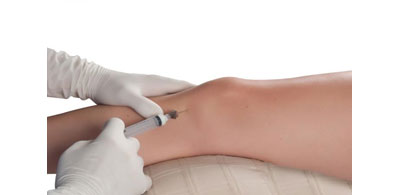
- In some cases, your doctor may suggest injecting medications or other substances directly into your joint. Examples include:
- Corticosteroids. Injections of a corticosteroid drug into your knee joint may help reduce the symptoms of an arthritis flare and provide pain relief that lasts a few months. These injections aren’t effective in all cases.
- Hyaluronic acid. A thick fluid, similar to the fluid that naturally lubricates joints, hyaluronic acid can be injected into your knee to improve mobility and ease pain. Although study results have been mixed about the effectiveness of this treatment, relief from one or a series of shots may last as long as six months.
- Platelet-rich plasma (PRP). PRP contains a concentration of many different growth factors that appear to reduce inflammation and promote healing. These types of injections tend to work better in younger people and in people with mild arthritis.
- In some cases, your doctor may suggest injecting medications or other substances directly into your joint. Examples include:
- Surgery
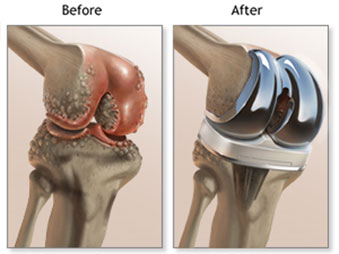
- Before making any decision, consider the pros and cons of both nonsurgical rehabilitation and surgical reconstruction in relation to what’s most important to you. If you choose to have surgery, your options may include
- Arthroscopic surgery. Arthroscopy may be used to remove loose bodies from your knee joint, remove or repair damaged cartilage (especially if it is causing your knee to lock), and reconstruct torn ligaments.
- Partial knee replacement surgery. In this procedure (unicompartmental arthroplasty), your surgeon replaces only the most damaged portion of your knee with parts made of metal and plastic.
- Total knee replacement. In this procedure, your surgeon cuts away damaged bone and cartilage from your thighbone, shinbone and kneecap, and replaces it with an artificial joint made of metal alloys, high-grade plastics and polymers.
- Before making any decision, consider the pros and cons of both nonsurgical rehabilitation and surgical reconstruction in relation to what’s most important to you. If you choose to have surgery, your options may include
A New and Innovative Treatment
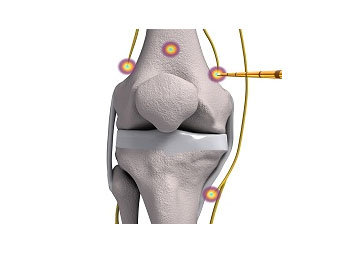
Genicular Neurotomy (aka Genicular Nerve Ablation)
- Genicular Neurotomy (aka ablation) is a brand new, innovative option for treating knee pain without surgery.
- By selectively applying a sophisticated type of radio wave to the nerves surrounding the knee (the genicular nerves), one can effectively relieve pain in the knee from any number of causes
Indications
Perhaps the greatest advantage of genicular neurotomy is the fact that the entire procedure is performed OUTSIDE the knee capsule. This is what allows it to succeed where other procedures like cortisone injections, hyaluronic acid injections, and even surgery fail.
In fact, this procedure can be done up to one month before knee surgery and even after surgery.
How Does It Work?
- The procedure uses a technology called Radiofrequency Ablation (RFA) to stun the painful nerves and prevent the signals from reaching the brain.
- This technology has been used for decades with excellent success, traditionally to treat pain in the neck and back.
- The nerves grow back over time which makes the procedure reversible if necessary.
This procedure is performed in 2 phases:
Diagnostic Genicular Nerve Block – This procedure consists of placing a small amount of a local anesthetic, like Lidocaine or Bupivacaine, on the genicular nerves to test the patient’s response and see if there is sufficient enough relief in the knee to justify performing a therapeutic neurotomy.
Genicular Nerve Ablation – This is the therapeutic portion of the treatment whereby the physician will perform a radiofrequency ablation (RFA) of the genicular nerves, thus alleviating pain to the knee and restoring function.
How Many Treatments?
- Before performing a genicular neurotomy, your doctor will first schedule you for a diagnostic genicular nerve block to see if you are a candidate for the ablation procedure.
- The pain relieving effects of the genicular neurotomy can last up to a year or longer.
What Are The Benefits?
- It is a minimally invasive, nonsurgical treatment option with the potential to relieve pain where other more conventional therapies have failed.
- For those patients where a knee replacement is the only option, genicular nerve neurotomy can offer a number of benefits in the postoperative phase.