

Stress and Anxiety During COVID-19
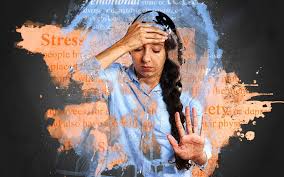
Nobody is immune to the fears and anxieties that have come up surrounding COVID-19. This pandemic can take an emotional toll, especially if you’re already living with an anxiety disorder. It is important to know that healthcare workers also experience similar anxiety and stress while trying to fight this pandemic.
So you are not alone….Here are some tips to get through this stressful time.
Understanding Anxiety
All over the world, cities, states and even entire countries are on complete lock down. The coronavirus pandemic has affected almost every human on the entire globe and many of us (including me) are wondering, “What is going to happen next?”
Uncertainity is one of the many reasons we get anxious and probably the hardest to handle. Many of my patients and family members are worried about how exactly we’ll be impacted over the coming months and even years. This can lead us to catastrophize and become overwhelmed with dread and panic.
But there are many things you can do—even in the face of this unique crisis—to manage your anxiety and fears.
Sometimes No News is Good News!

It’s vital to stay informed, particularly about what’s happening in your community. It’s important to follow advised safety precautions and do your part to slow the spread of coronavirus.
BUT…sensationalistic coverage tends to feeds into fear.
- Stick to trustworthy sources such as the CDC, the World Health Organization, and your local public health authorities.
- Limit how often you check for updates. Constant monitoring of news and social media feeds can quickly turn compulsive and counterproductive—fueling anxiety rather than easing it.
- Step away from media if you start feeling overwhelmed. If anxiety is an ongoing issue, consider limiting your media consumption to a specific time frame and time of day (e.g. thirty minutes each evening at 6 pm).
- Be careful what you share. Do your best to verify information before passing it on. We all need to do our part to avoid spreading rumors and creating unnecessary panic.
Focus on the things you can control
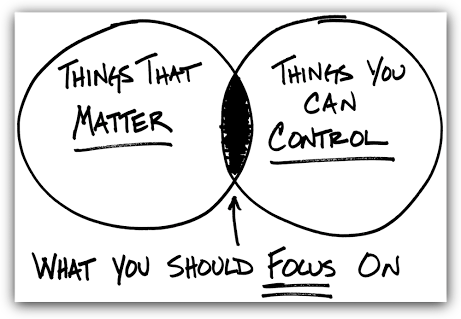
There are so many things outside of our control, including how long the pandemic lasts, how other people behave, and what’s going to happen in our communities. Focusing on questions with unknowable answers and circumstances outside of our personal control will get us nowhere—aside from feeling drained, anxious, and overwhelmed.
Focus on what you CAN control: take steps to reduce your own personal risk (and the risk you’ll unknowingly spread it to others), such as:
- washing your hands frequently (for at least 20 seconds) with soap and water or a hand sanitizer that contains at least 60% alcohol.
- avoiding touching your face (particularly your eyes, nose, and mouth).
- staying home as much as possible, even if you don’t feel sick.
- avoiding crowds and gatherings of 10 or more people.
- avoiding all non-essential shopping and travel.
- keeping 6 feet of distance between yourself and others when out.
- getting plenty of sleep, which helps support your immune system.
- following all recommendations from health authorities.
Stay connected—even when physically isolated
Evidence shows that many people with coronavirus—particularly young, seemingly healthy people—don’t have symptoms but can still spread the virus. That’s why the biggest thing that most people can do right now to make a positive difference is to practice social distancing.
- Make it a priority to stay in touch with friends and family.
- While in-person visits are limited, substitute video chatting if you’re able.
- Social media can be a powerful tool—not only for connecting with friends, family, and acquaintances—but for feeling connected in a greater sense to our communities, country, and the world.
Take care of your body and spirit

- Maintain a routine as best you can. Even if you’re stuck at home, try to stick to your regular sleep, school, meal, or work schedule.
- Take time out for activities you enjoy. Read a good book, watch a movie, play a fun board or video game, —whether it’s a new recipe, a craft, or a piece of art.
- Get out in nature, if possible. Sunshine and fresh air will do you good. Even a walk around your neighborhood can make you feel better. Just be sure to avoid crowds.
- Find ways to exercise. Staying active will help you release anxiety, relieve stress, and manage your mood.
- Avoid self-medicating. Be careful that you’re not using alcohol or other substances to deal with anxiety or depression.
Singh Snapshot
At times like this, it’s easy to get caught up in your own fears and concerns. Many of our feelings of anxiety may come from the fact of feeling powerless during this pandemic. Doing selfless acts can often help regain that sense of control. Even when you’re self-isolating or maintaining social distance, there’s still plenty you can do to help others.
Follow guidelines for preventing the spread of the virus.
Reach out to others in need.
Donate to food banks.
Be kind to others.A

Leave a Reply